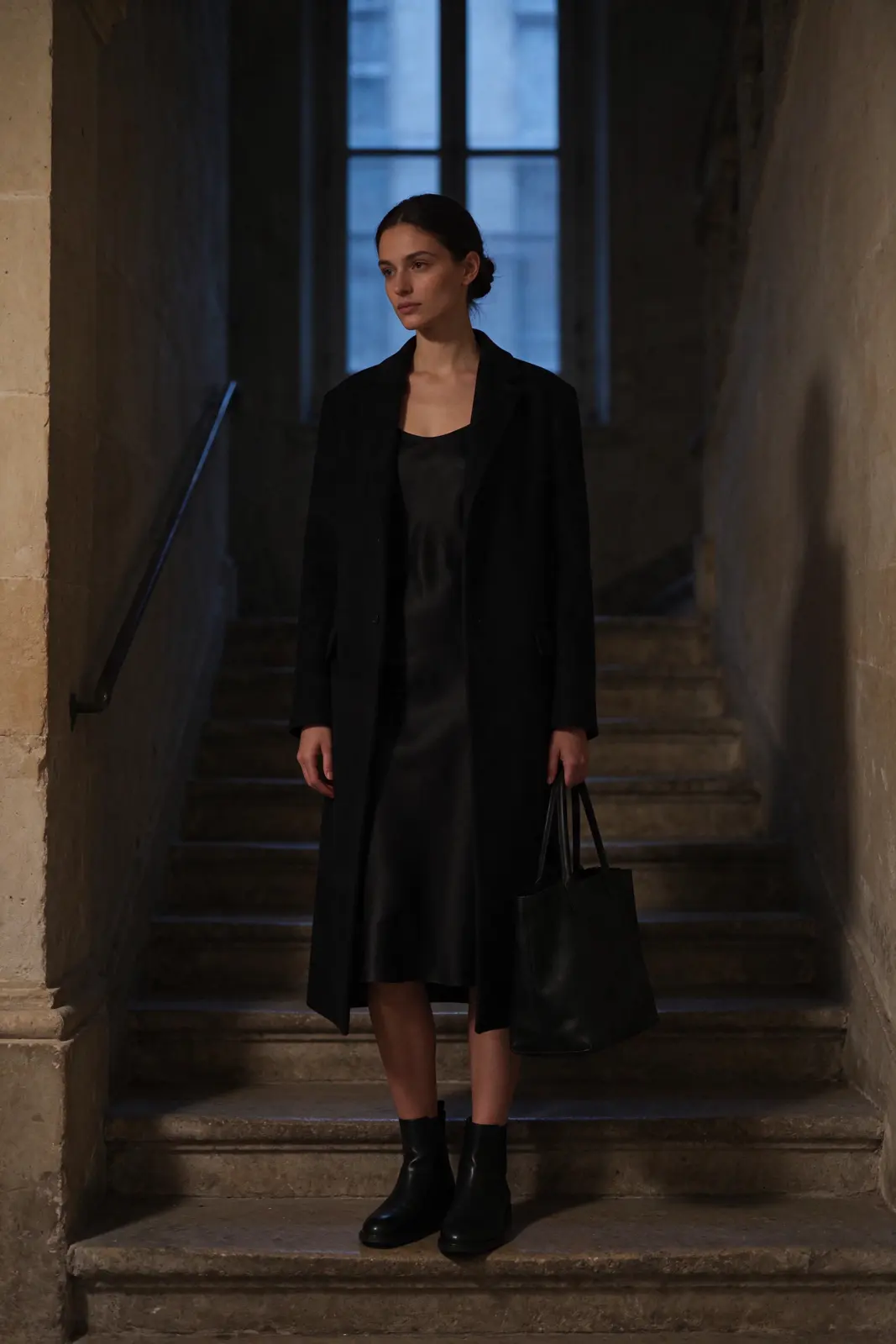
Evening clothes have a reputation for being fussy. Ours are not. Most of the work is done by the cloth: one fluid piece that catches the light, worn with things that do not.
Black makes this both easier and harder. Easier, because everything goes with everything. Harder, because a whole outfit in one colour can go flat in a dim room unless something else changes.
Start with one fluid piece
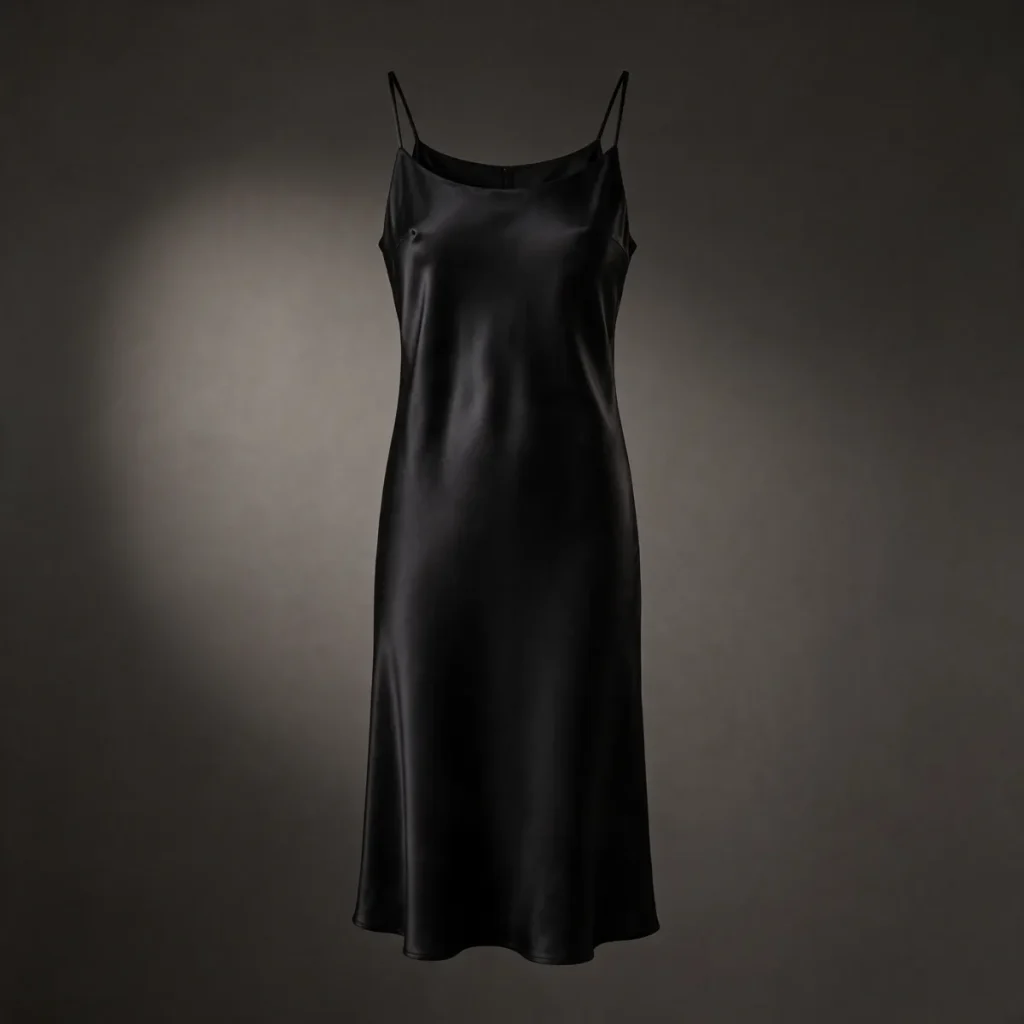
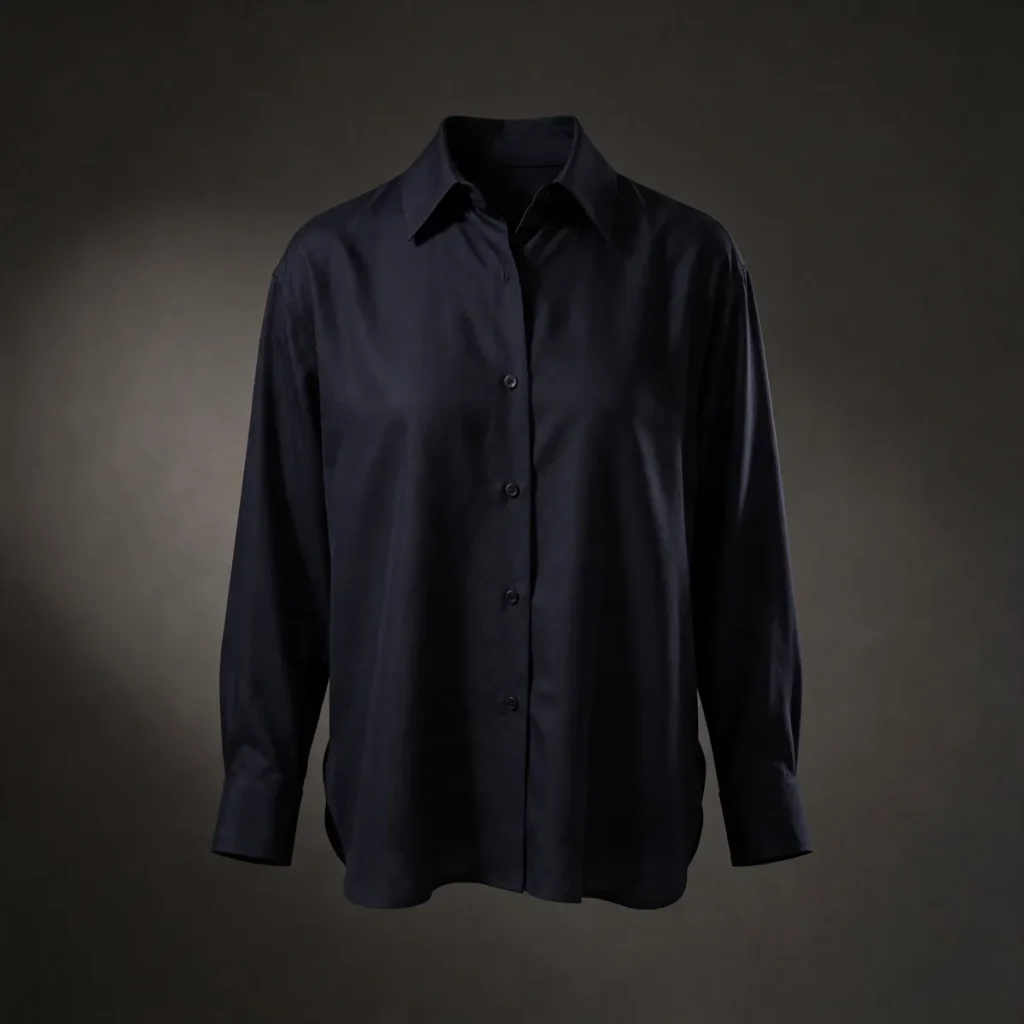
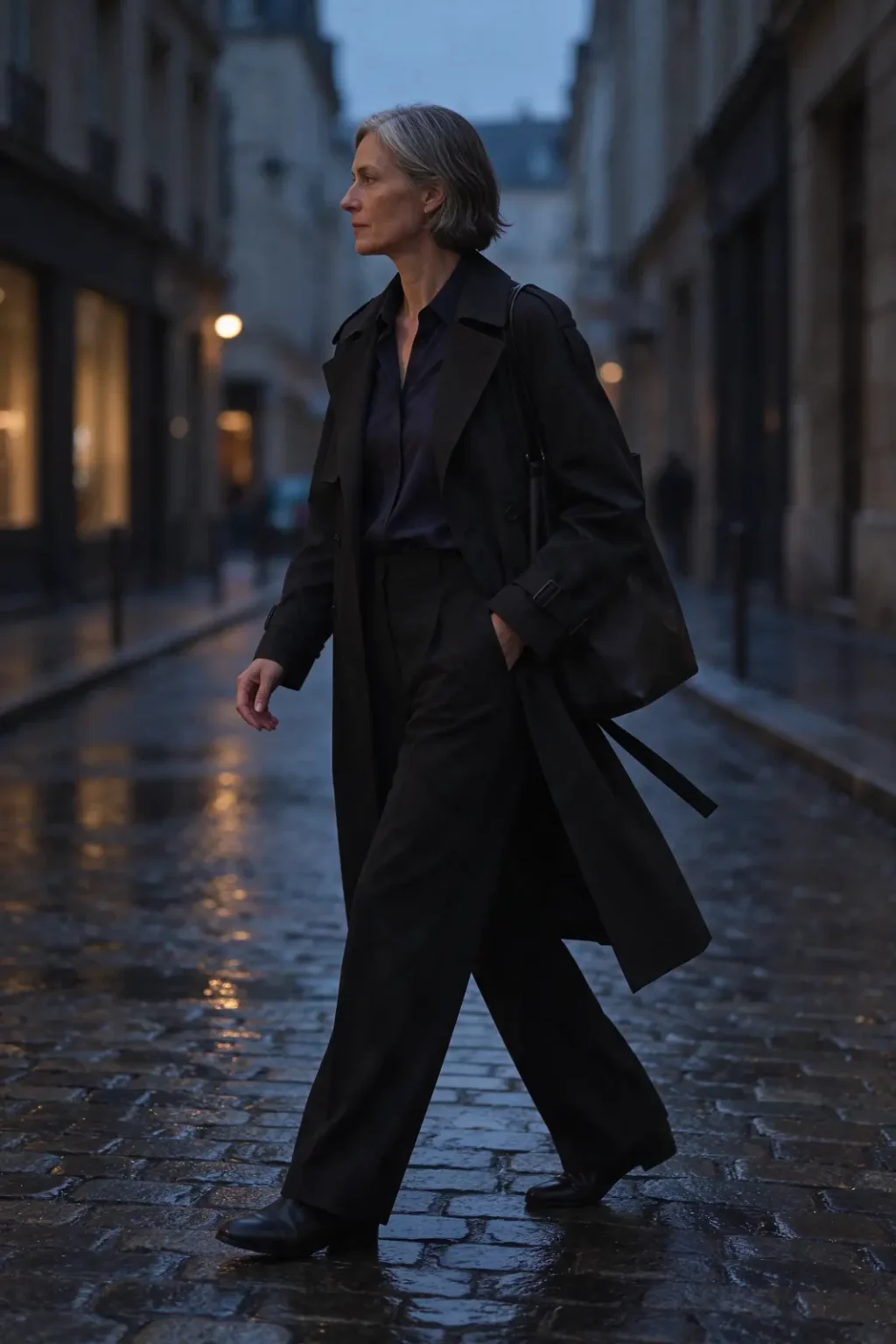
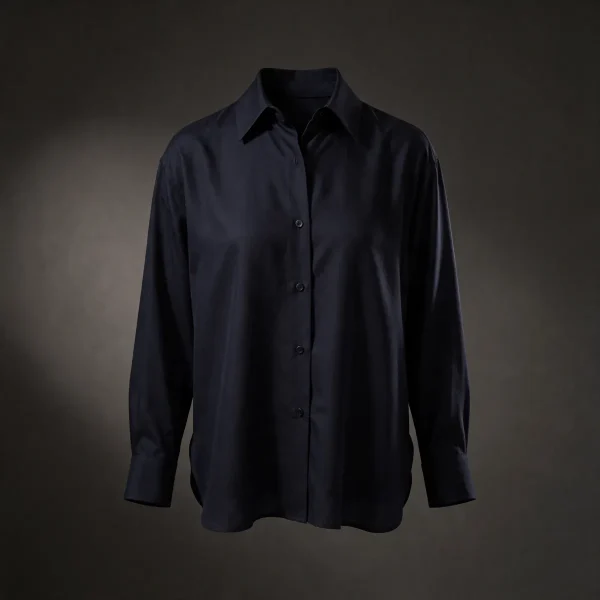
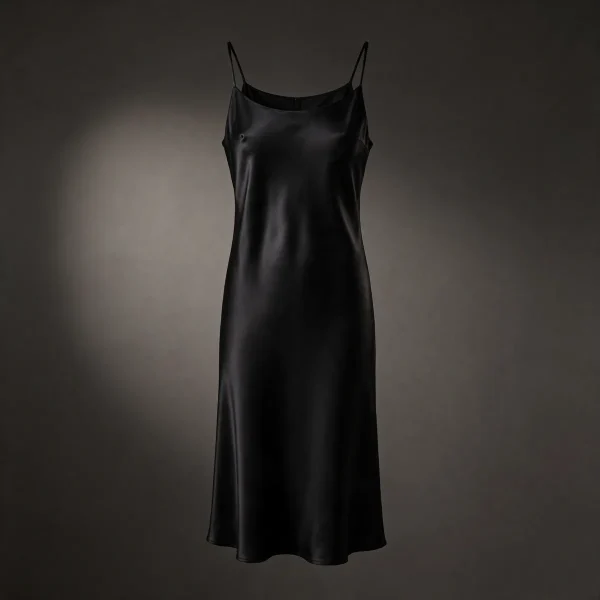
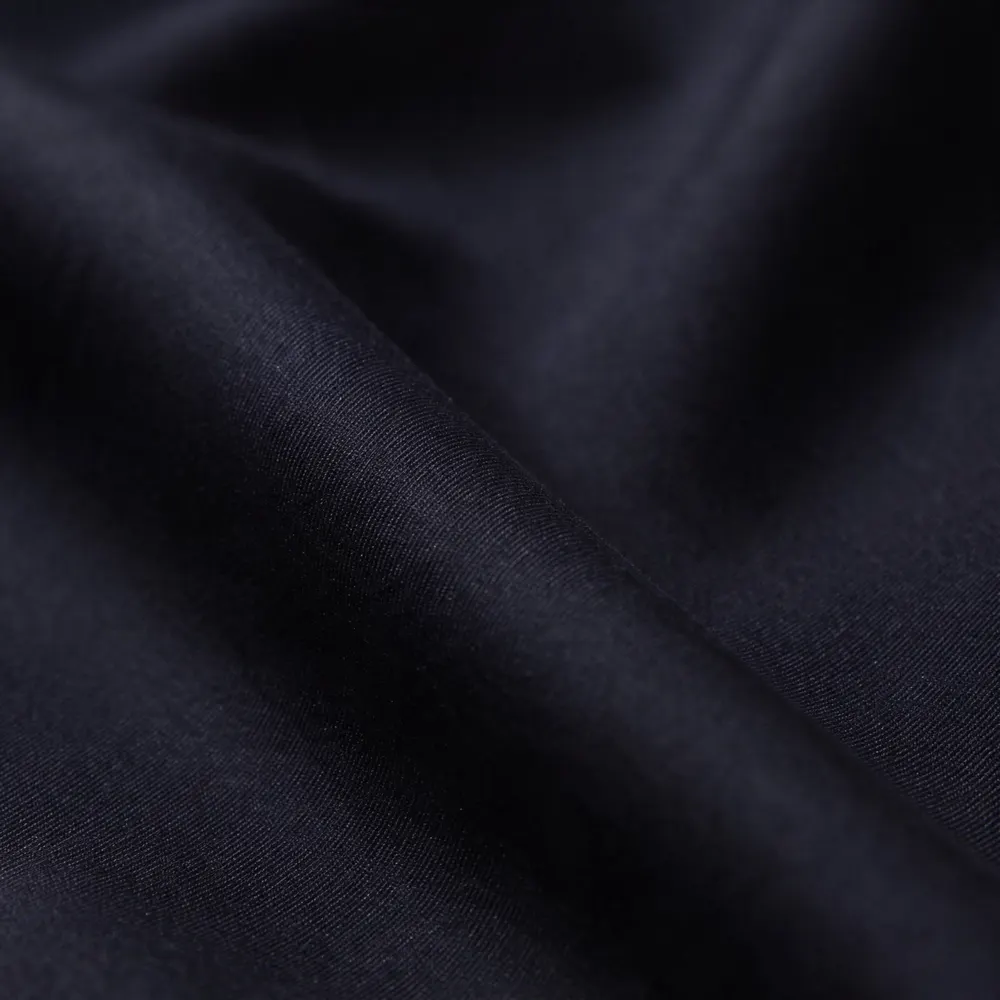
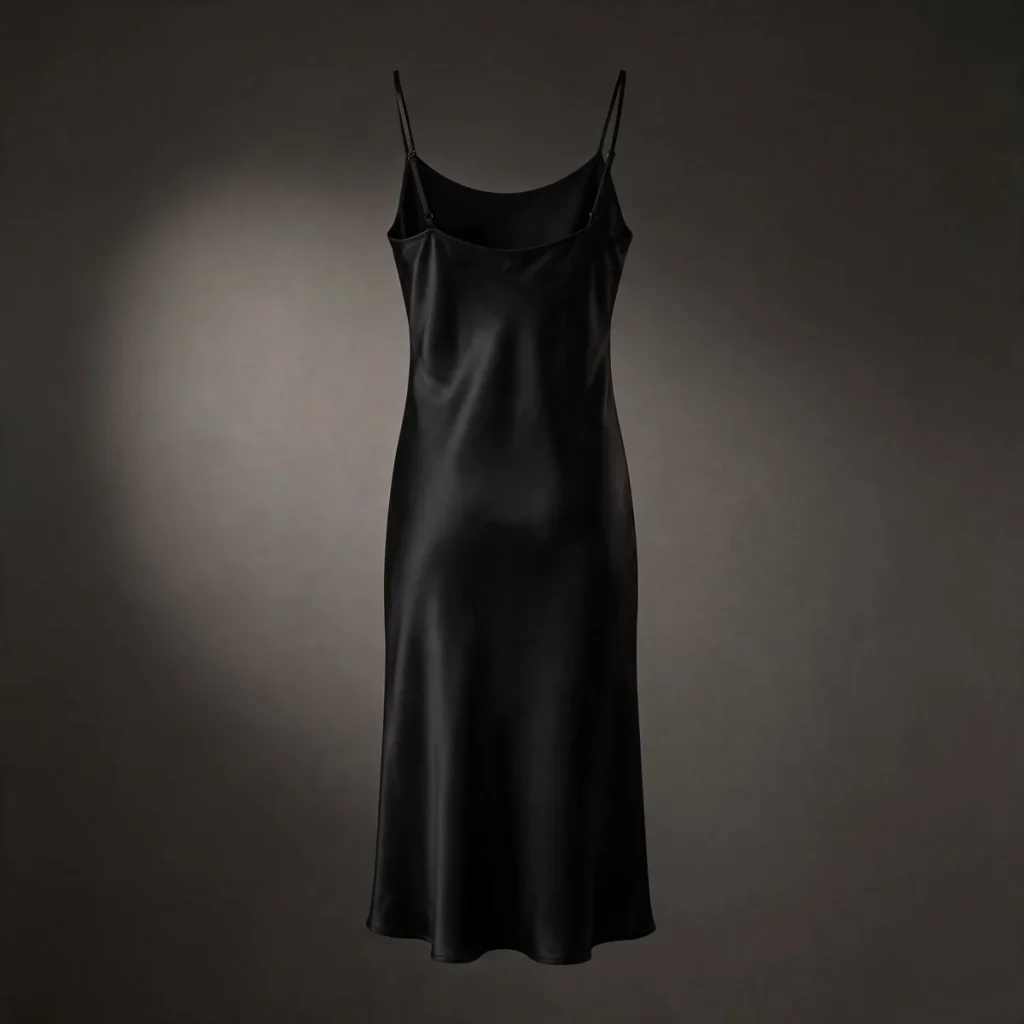
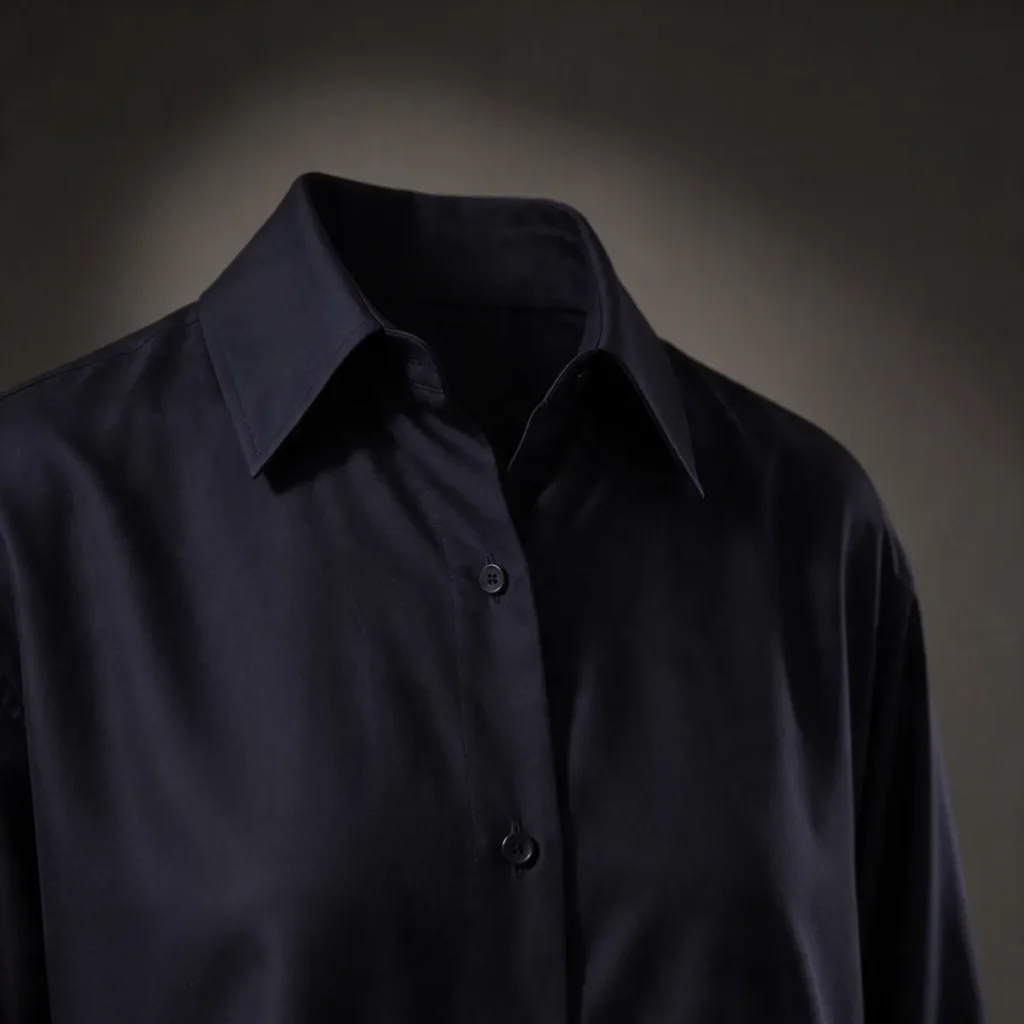
The Ilse Slip Dress is cut on the bias, so the satin falls close and moves when you do. It is the centre of the outfit and needs very little help. If you would rather wear trousers, the Vale Silk Shirt does the same job in heavy ink-navy silk twill, with a soft collar and a covered placket that keep the front plain.
Change the texture, not the colour
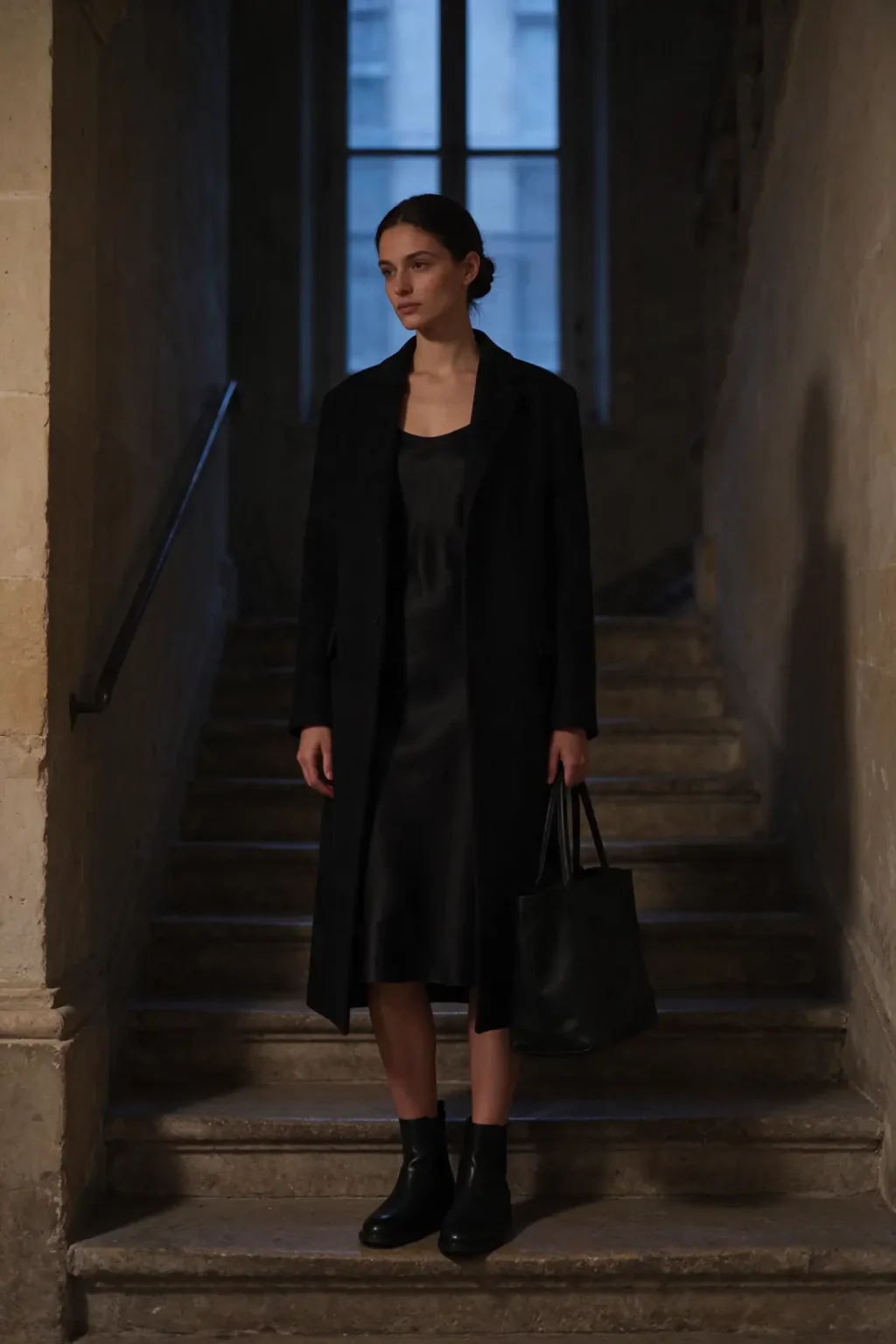
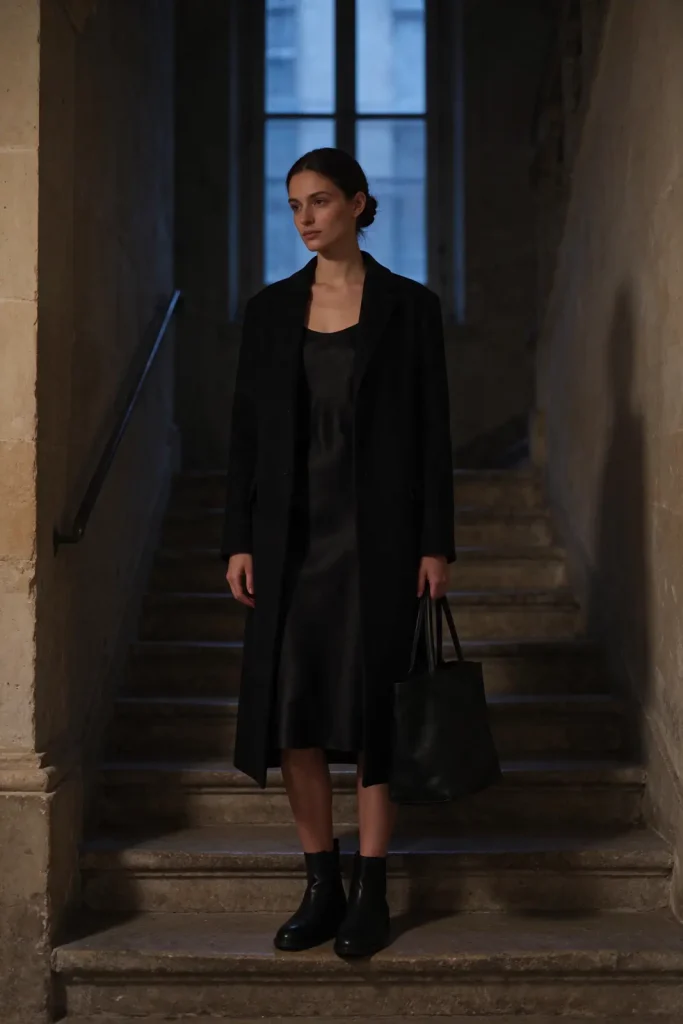
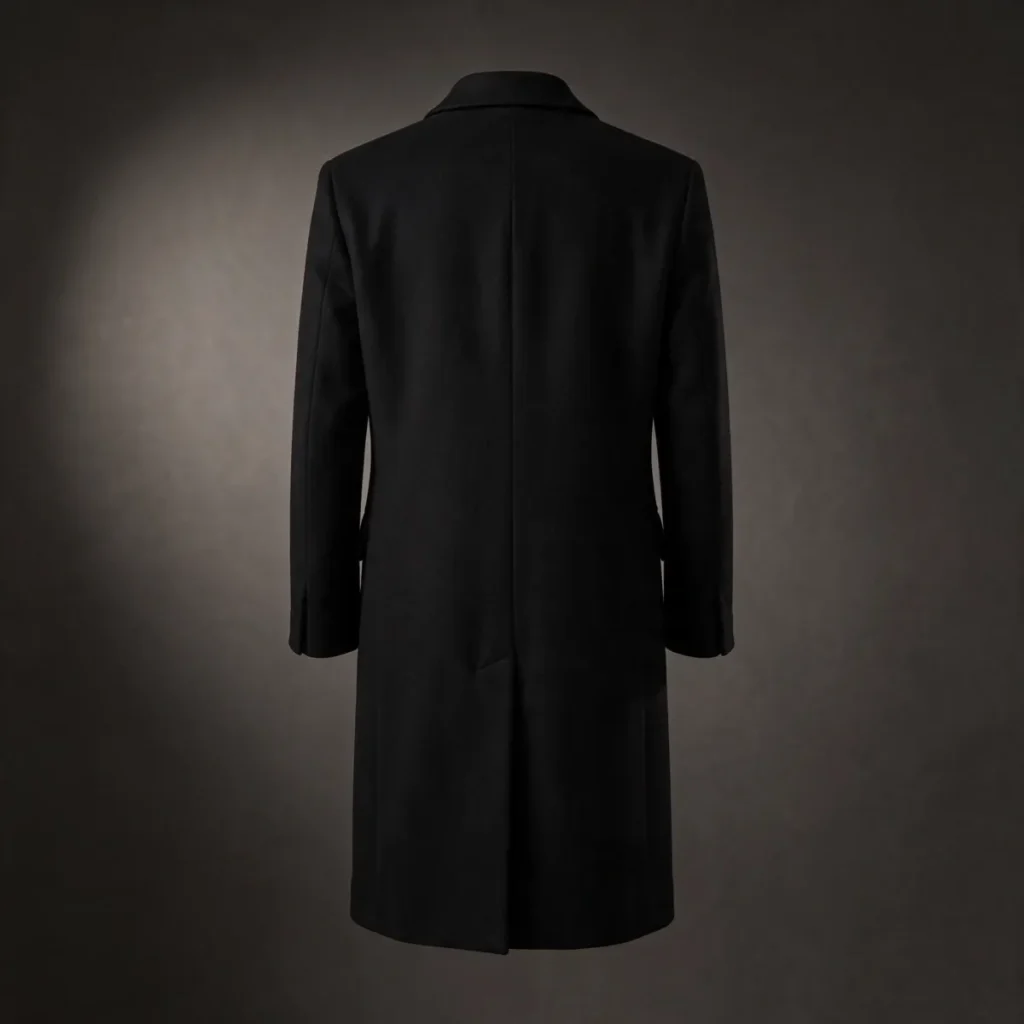
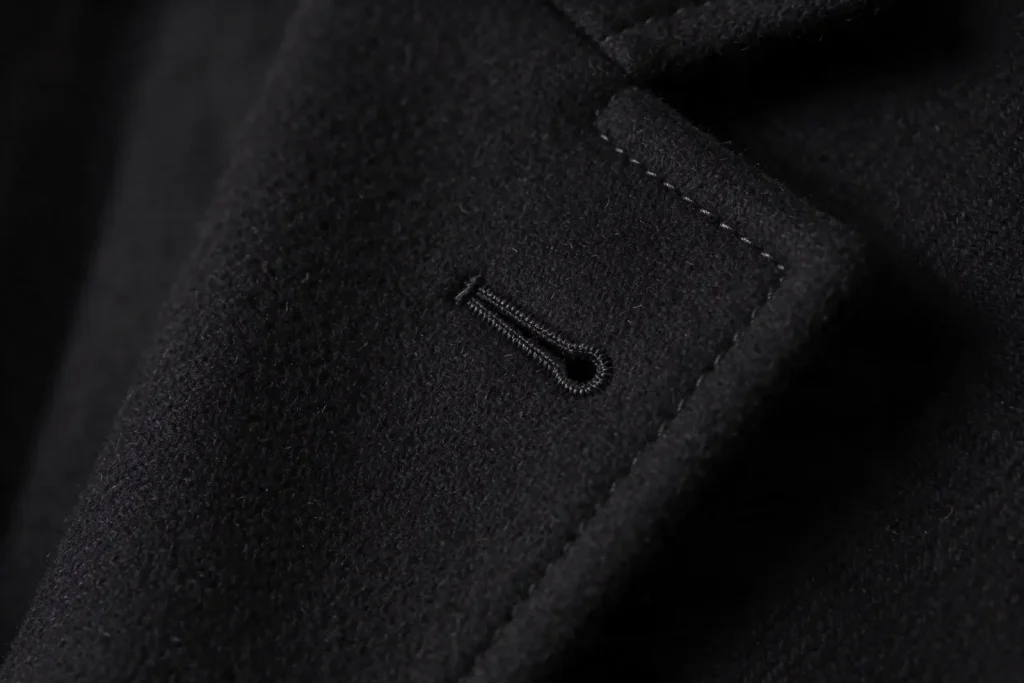
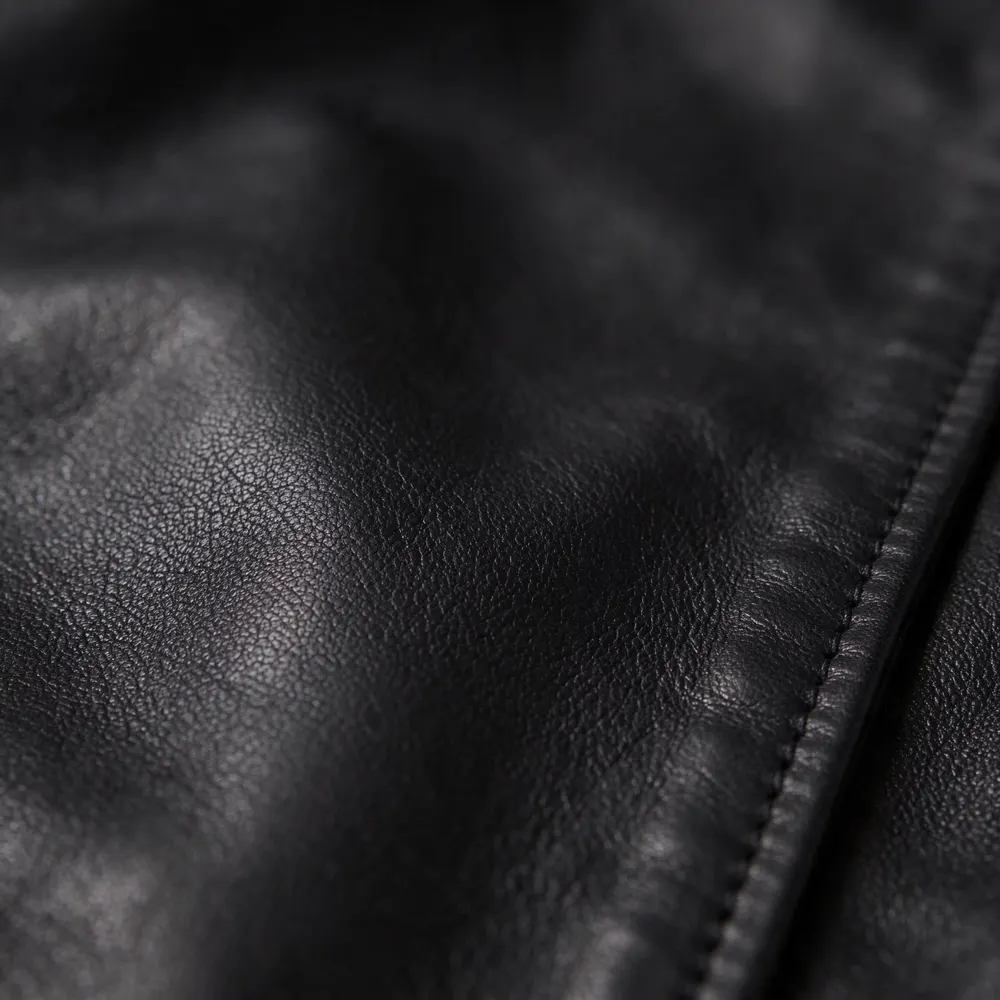
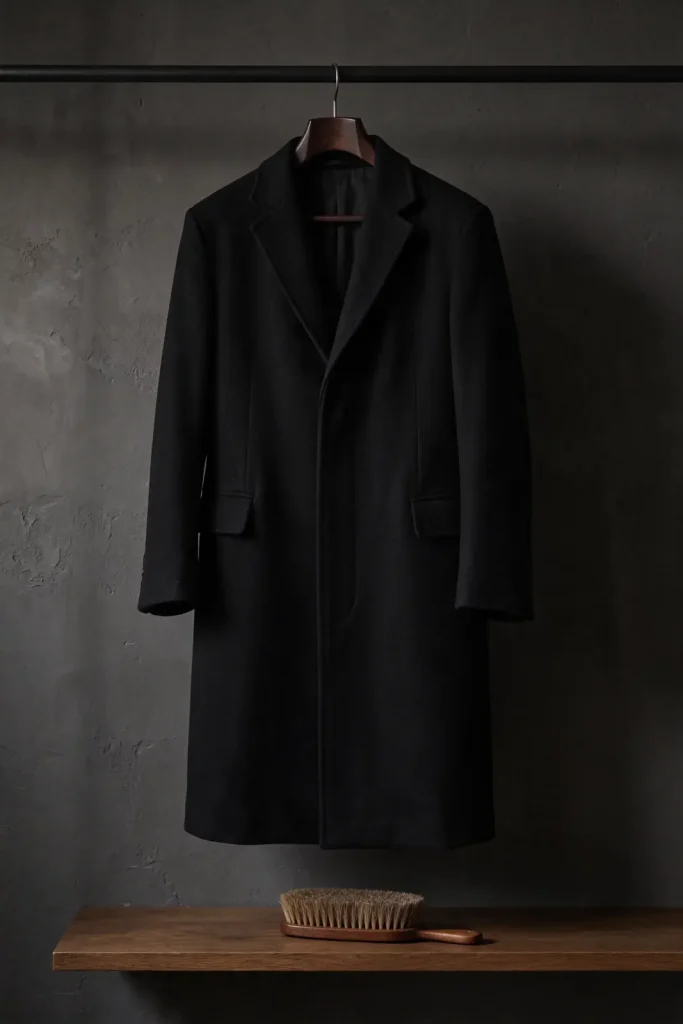
Against satin or silk, put something with a surface: brushed wool, grained leather, a close knit. The eye notices the difference even when the light is low. Change the texture from piece to piece and black stops looking flat. A coat in double-faced wool over a slip dress is the clearest example: one is matt and soft, the other catches every light it passes.
Change the texture from piece to piece and black stops looking flat.
A coat over the shoulders
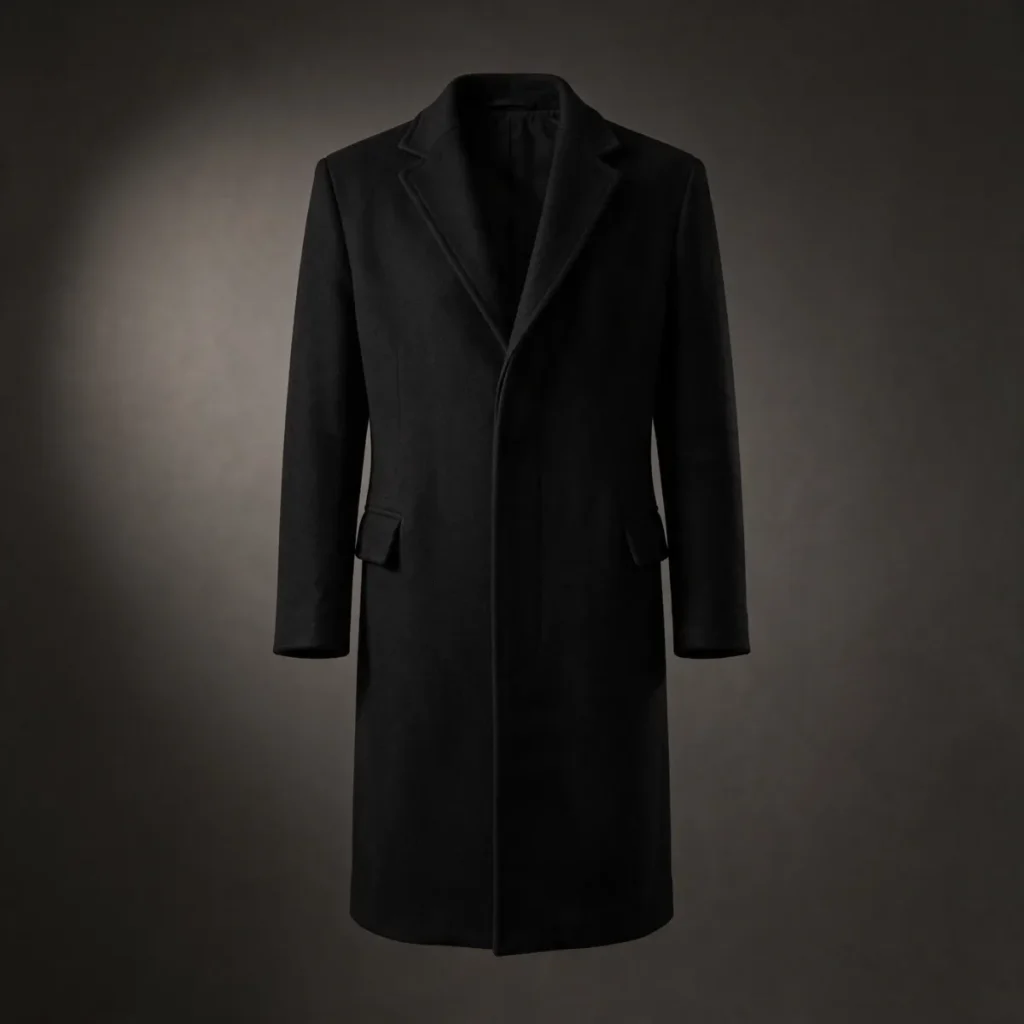
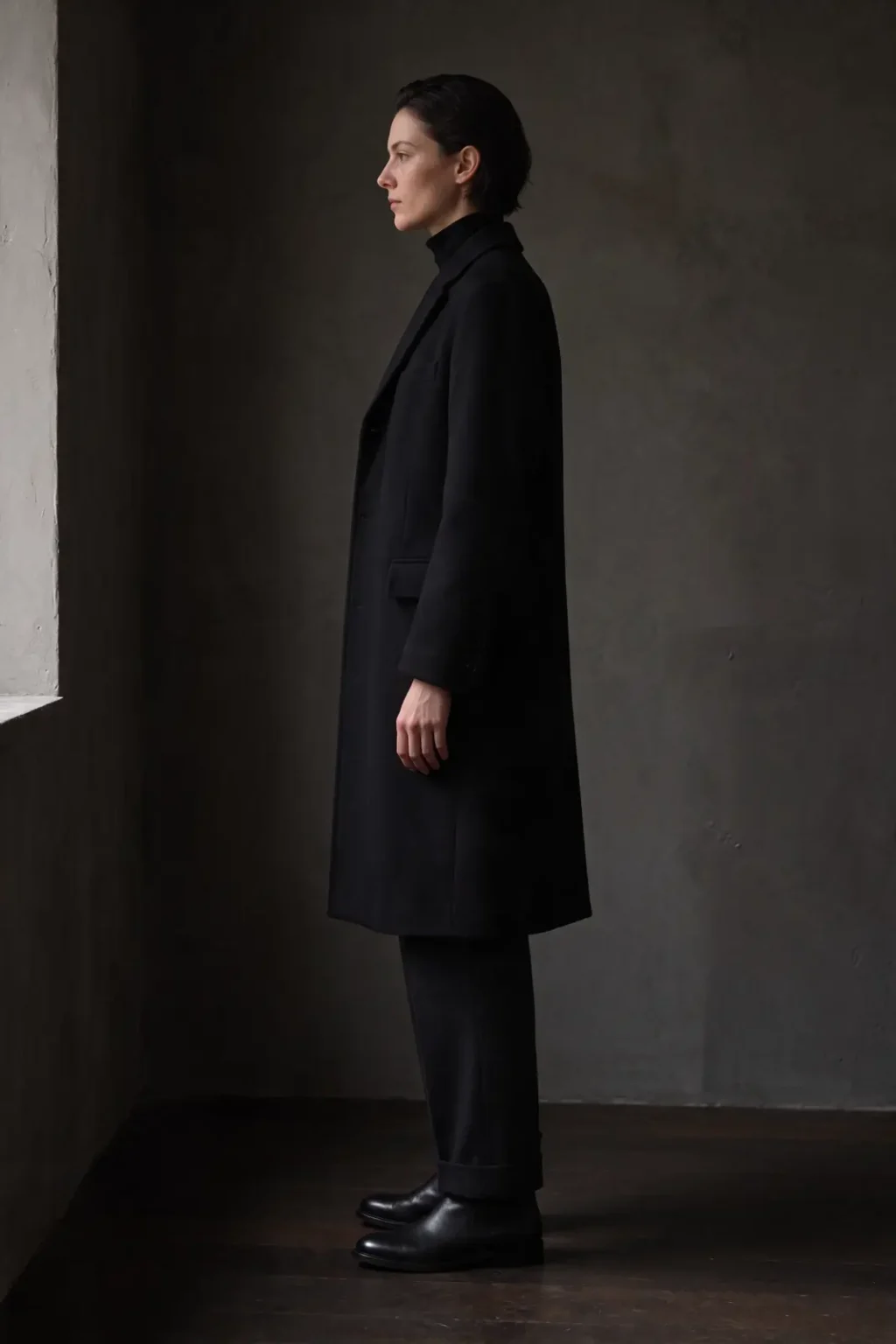
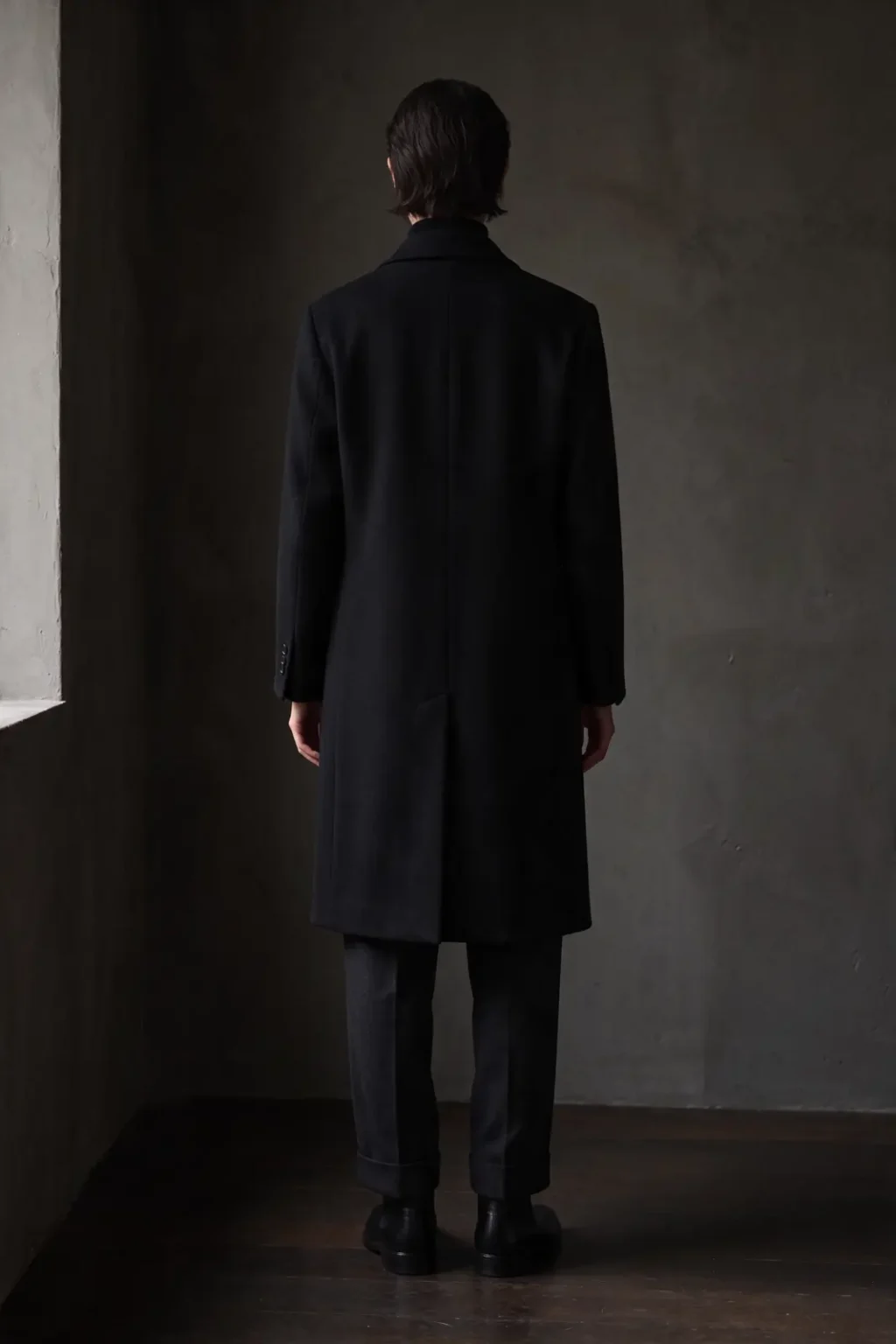
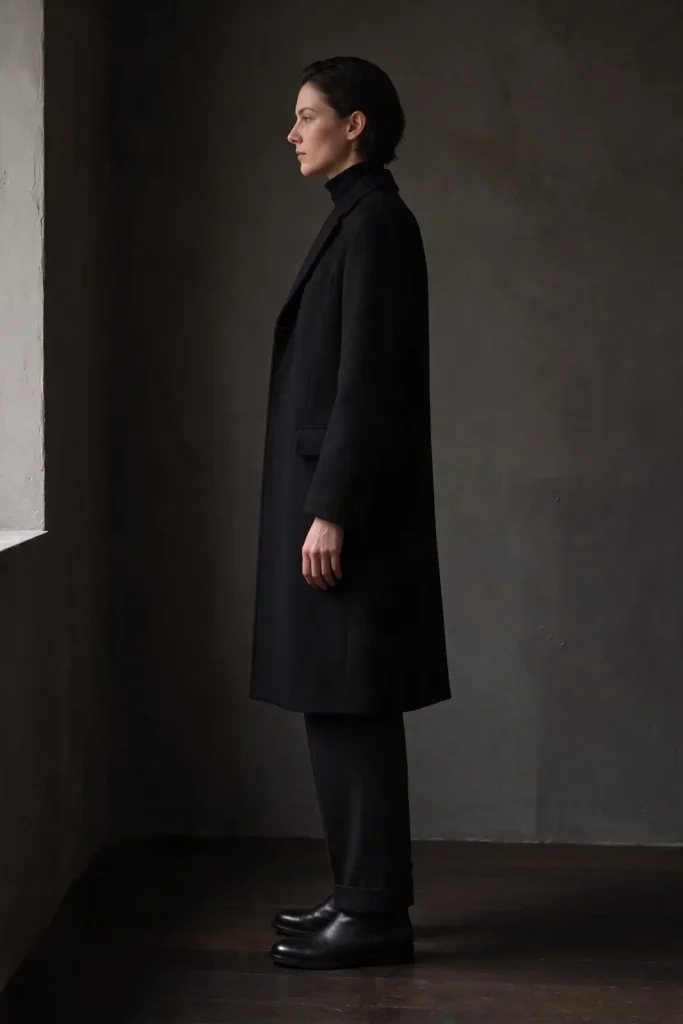
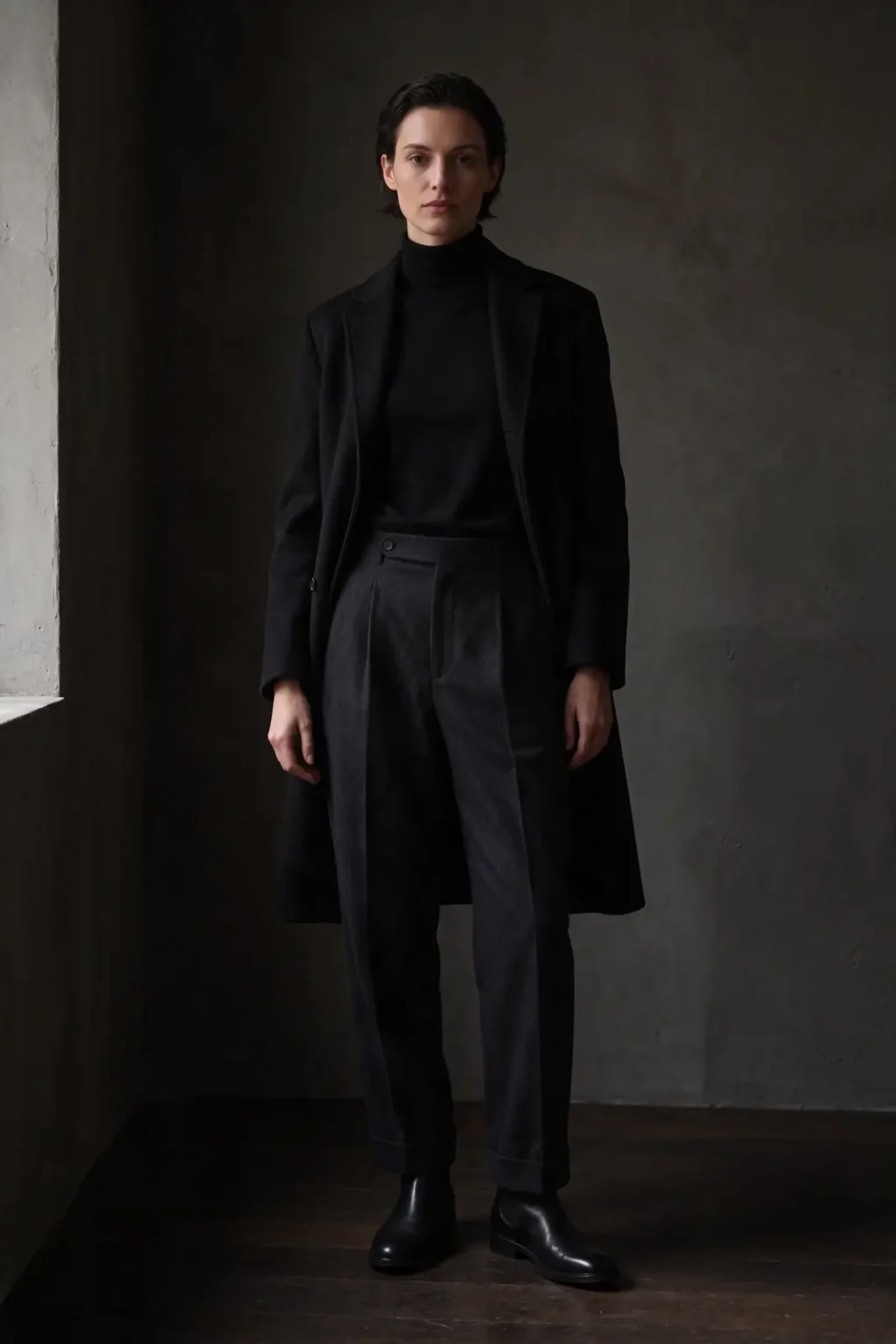
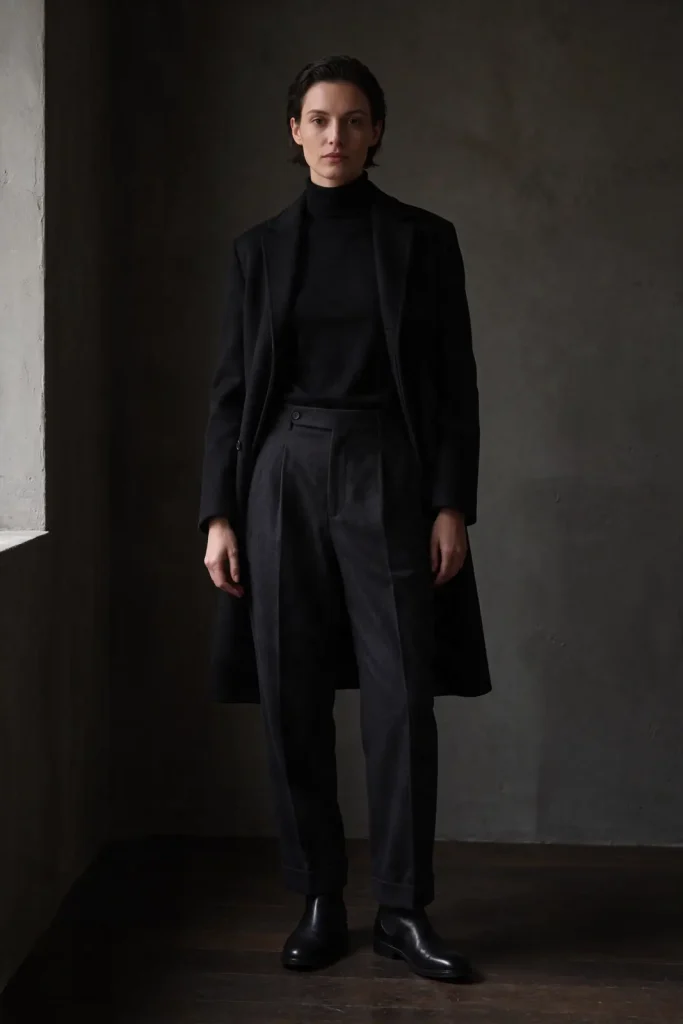
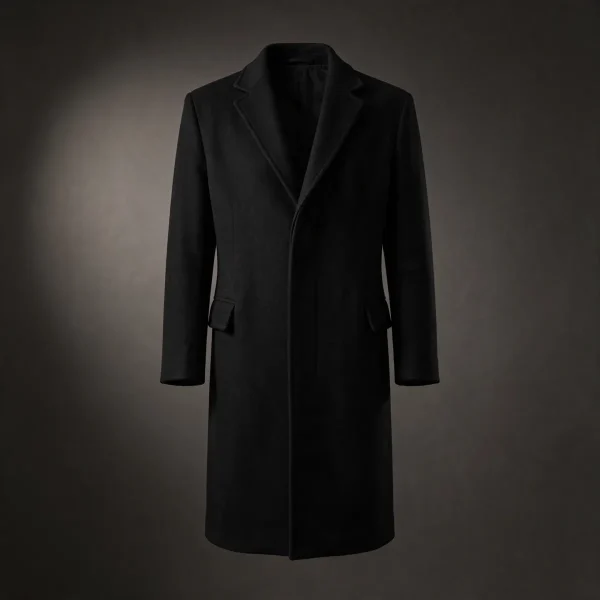
For the short walk between a door and a car, a coat worn over the shoulders keeps the line of the dress in view. The Marlow Overcoat suits it. It is knee-length and single-breasted, with a concealed placket, so it hangs straight and quiet when it is not buttoned. Put your arms in once the night turns cold.
Shoes you can stand in
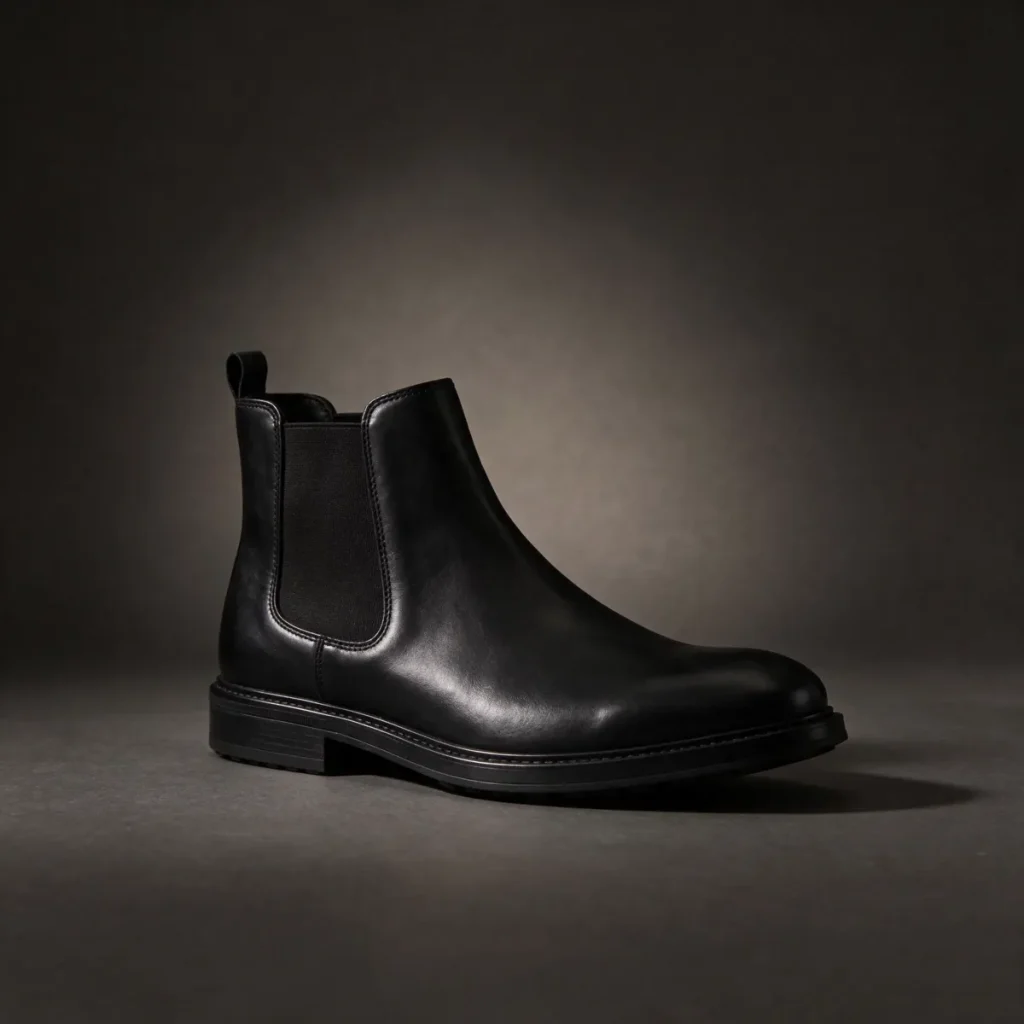
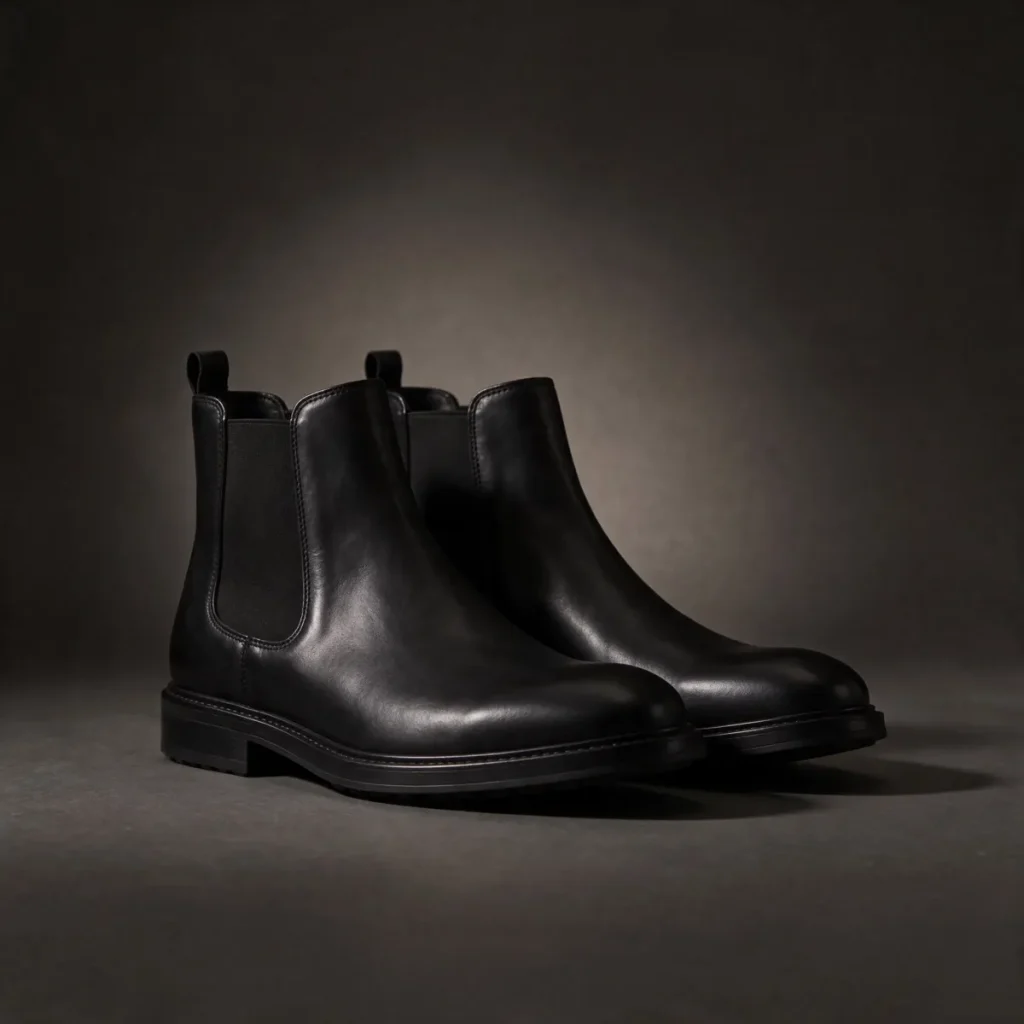
An evening usually means stairs, cobbles and a long time on your feet. The Fell Chelsea Boot, on a stacked leather heel with a rubber sole, takes all three, and its plain black calf sits under a long skirt or the full length of the Lisle Wide-Leg Trouser without drawing the eye down. Wear them around the house once or twice before the night itself, so the elastic sides have given a little and the heel has stopped feeling new.
Carry less
One bag is enough: keys, a phone, a card holder and nothing that needs finding in a hurry. A structured tote on the shoulder leaves both hands free for a glass or a railing, and it keeps its shape when it is set down on a chair. The Atelier Tote does this in black grained calf, lined in suede, with two slim handles that sit on the shoulder rather than in the crook of the arm. Its lining is the one soft surface in the outfit that nobody else sees.
That is the whole method. One piece that moves, one that holds still, a boot that can walk home. Black does the rest.