Sooner or later a good jumper gets a hole. Usually at the elbow, sometimes where a bag strap rubs the shoulder, now and then from a moth in a drawer. It is tempting to treat that as the end of the jumper. We treat it as the middle.
Knitwear is one long yarn looped through itself, row after row. When a single loop breaks, the loops around it hold for a while, which is why a small hole stays small if you catch it early. Leave it, and every wear pulls a few more loose.
A darn, not a patch
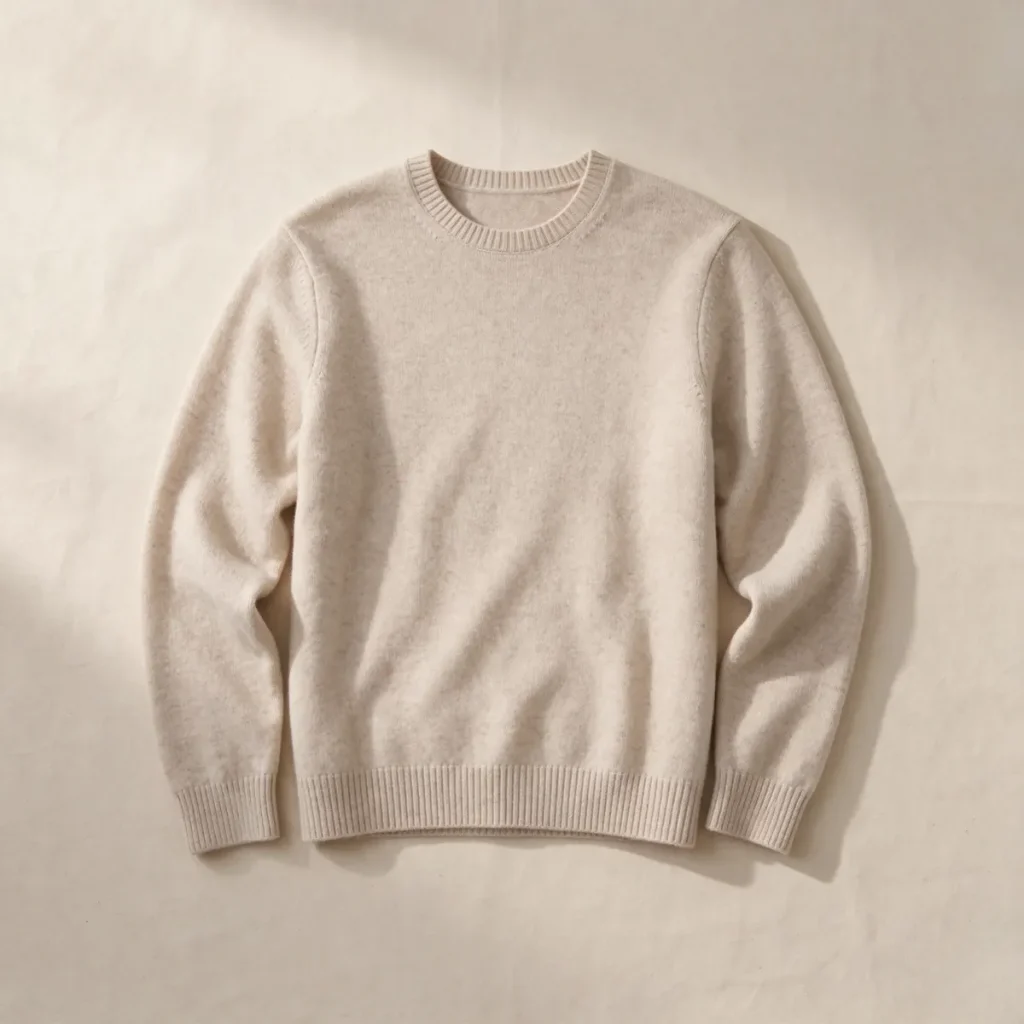
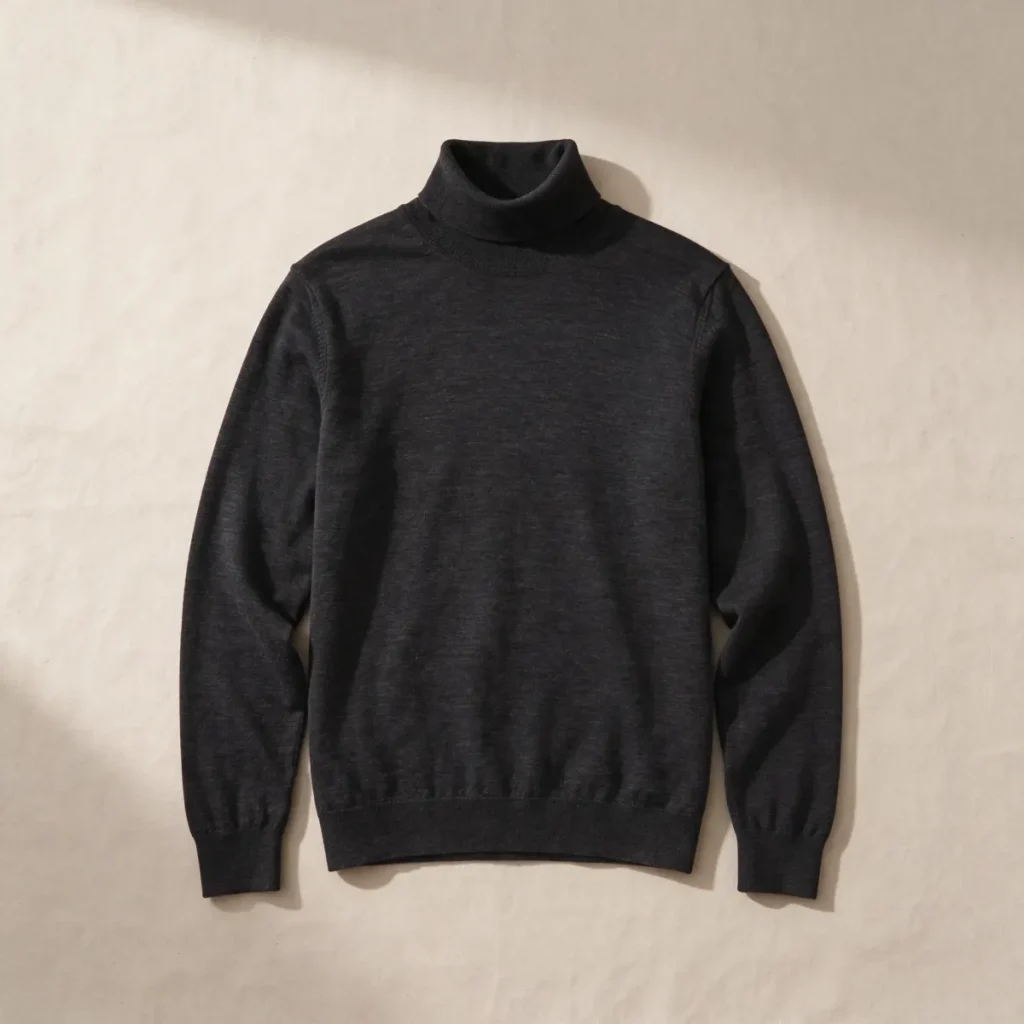
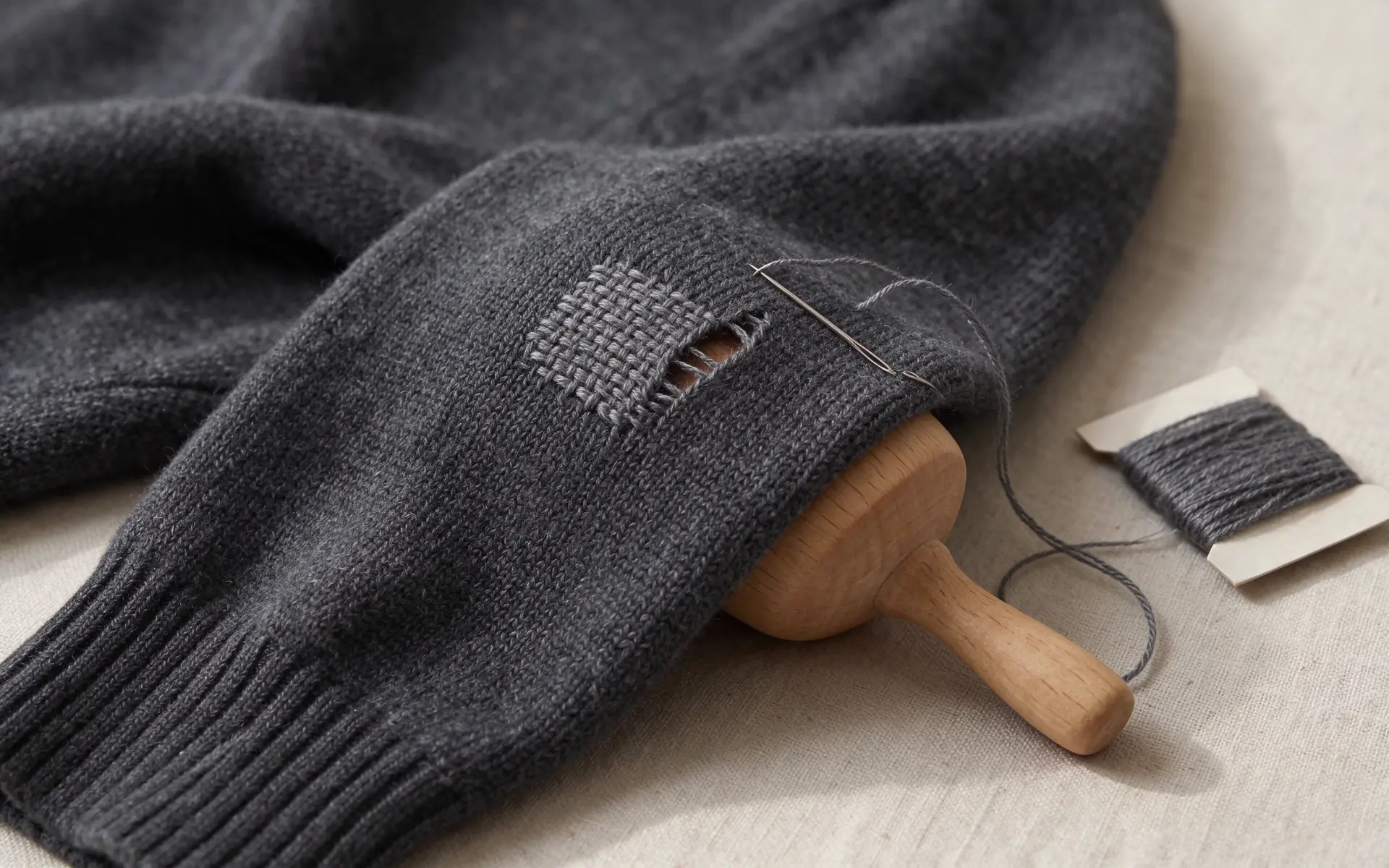
A patch sits on top of the knit and stiffens it. A darn is woven into the hole itself, across and then back through, in yarn of a similar weight, so it stretches with the rest of the jumper. On a fine-gauge knit like the Merino Crewneck or the Merino Roll Neck, a careful darn in a matching colour is hard to spot unless you know where to look. Start a few loops beyond the edge of the hole, so the darn is anchored in sound yarn rather than in the frayed edge.
It does not have to match, though. A darn in a contrasting colour says the jumper was worth keeping. Done neatly, it looks deliberate, and it is.
A darn in a contrasting colour says the jumper was worth keeping.
What it takes
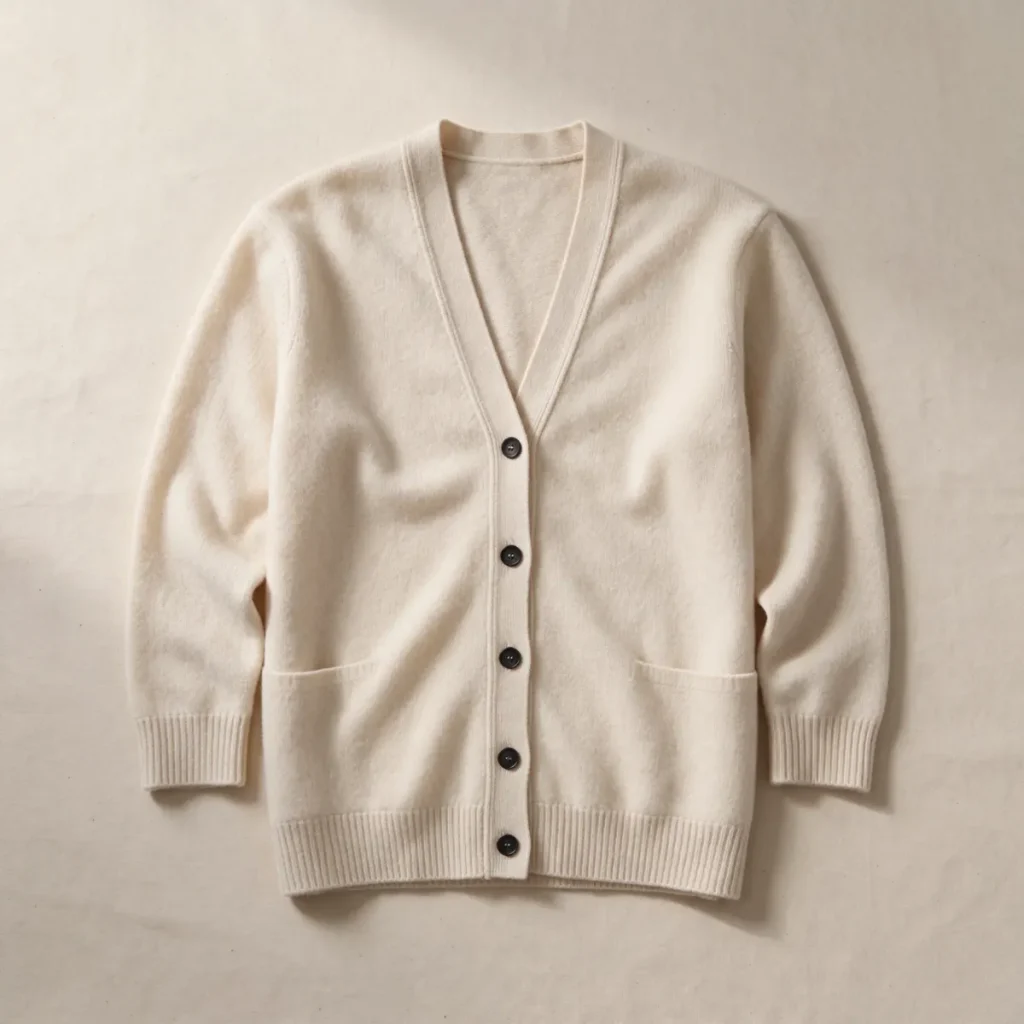
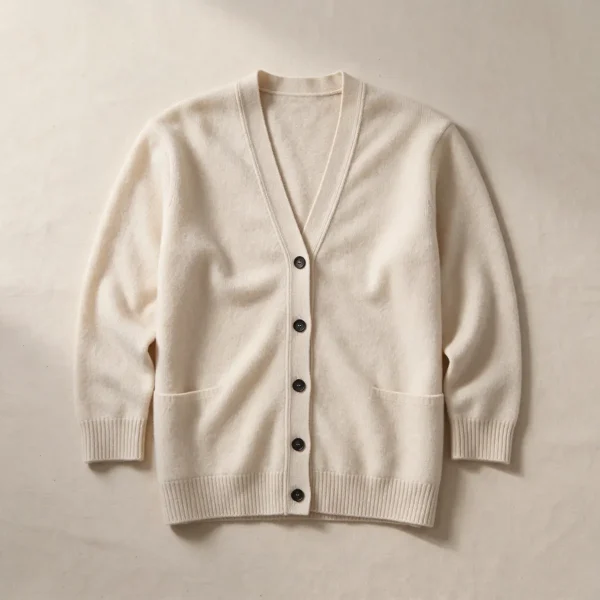
Very little. A blunt darning needle, a darning mushroom or an egg cup to hold the knit taut, and a length of wool close to the original in thickness. Merino and lambswool take a darn well because the fibres grip each other, and the repair settles into the knit after a wash. The Lambswool Cardigan is the same: soft enough to wear most days of the winter, which is exactly why its elbows will need you one day.
Catch it early
Look over your knitwear when you fold it away in spring. Check the elbows, the cuffs and the seams under the arms. A thin patch can be reinforced before it becomes a hole, by weaving across it in the same way. It takes ten minutes and saves the evening a real hole would cost you.
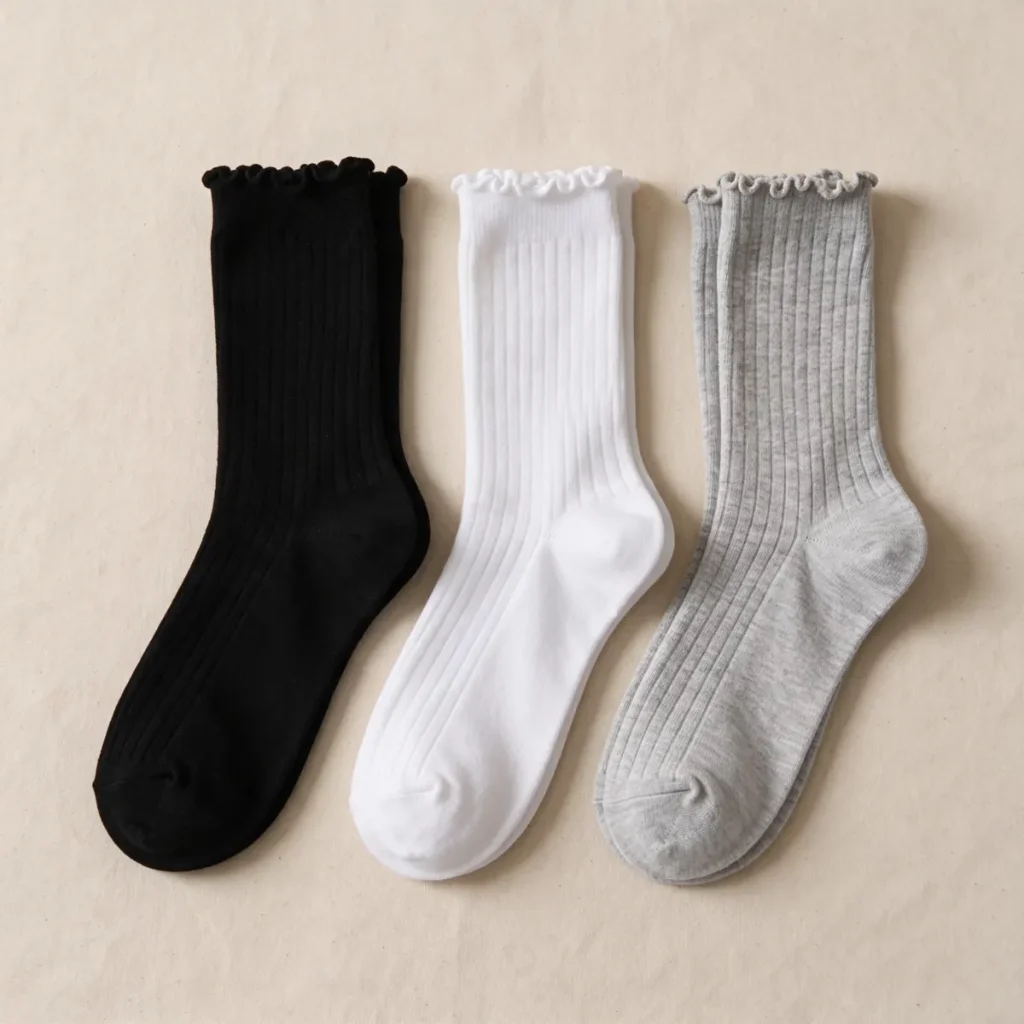
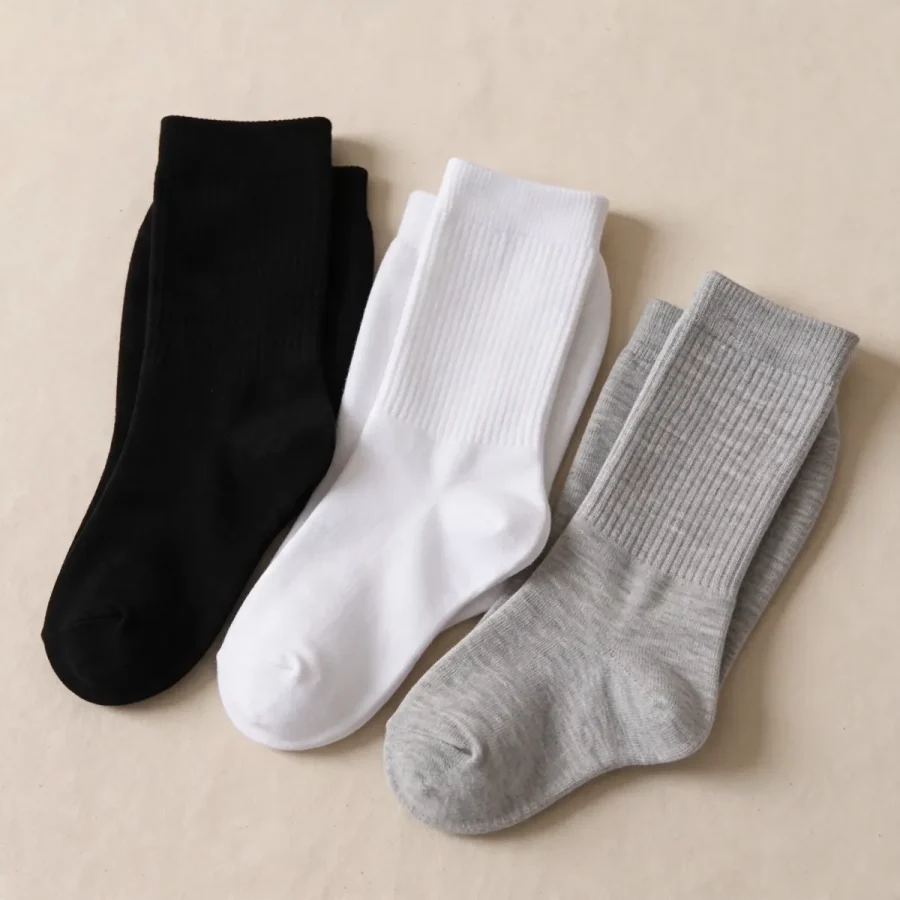
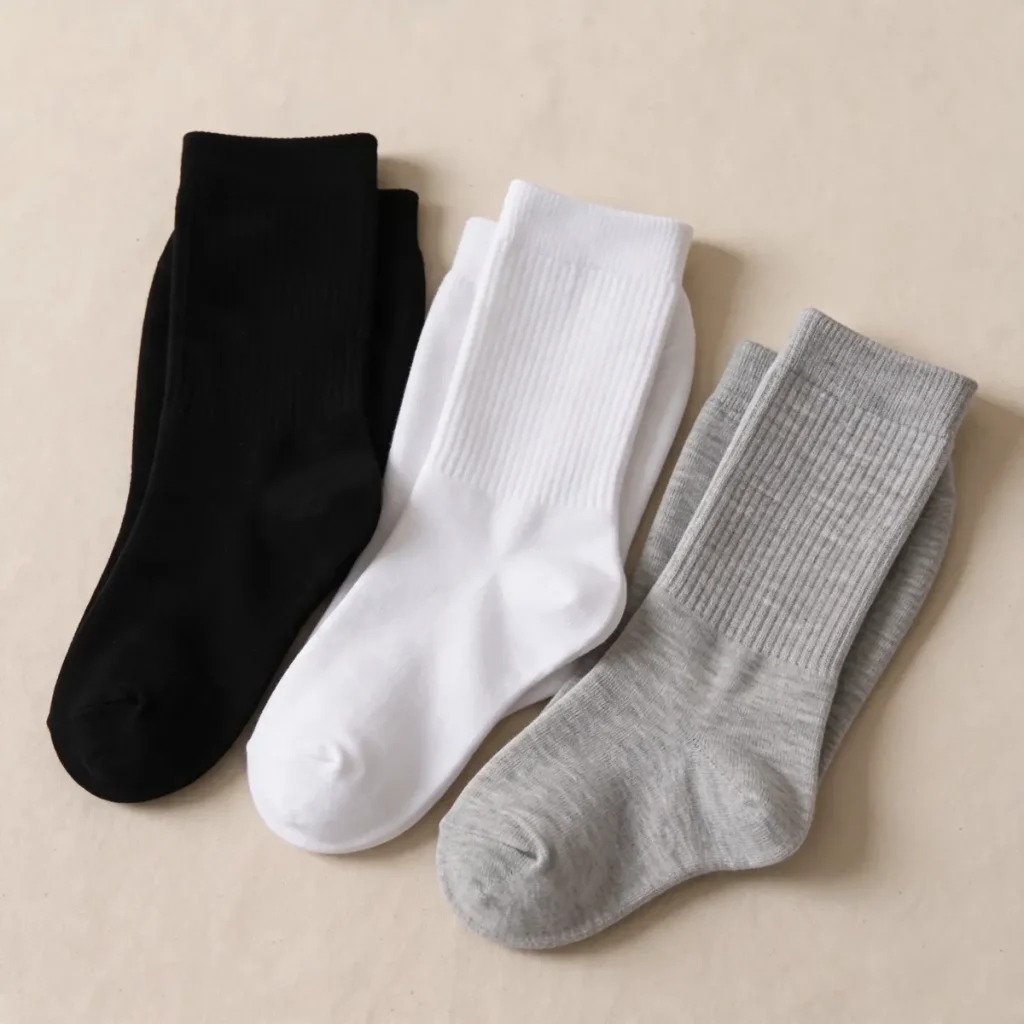
Socks wear in the same places every time, at the heel and the big toe. A pair of Rib Socks darned once at the heel goes back in the drawer instead of the bin.


When to stop
Some things are past mending: a jumper felted in a hot wash, or a seam worn through along its whole length. Most are not. If you are unsure where to start, our care and repair page covers washing, drying and the first darn, and each one after that gets quicker.
A jumper with three small darns is not a worn-out jumper. It is one that has been worn and kept, which is what we make them for.