Coffee that tastes of where it grew
Six single origins, three house blends and a decaf, roasted Monday to Thursday and posted within two working days of roasting.
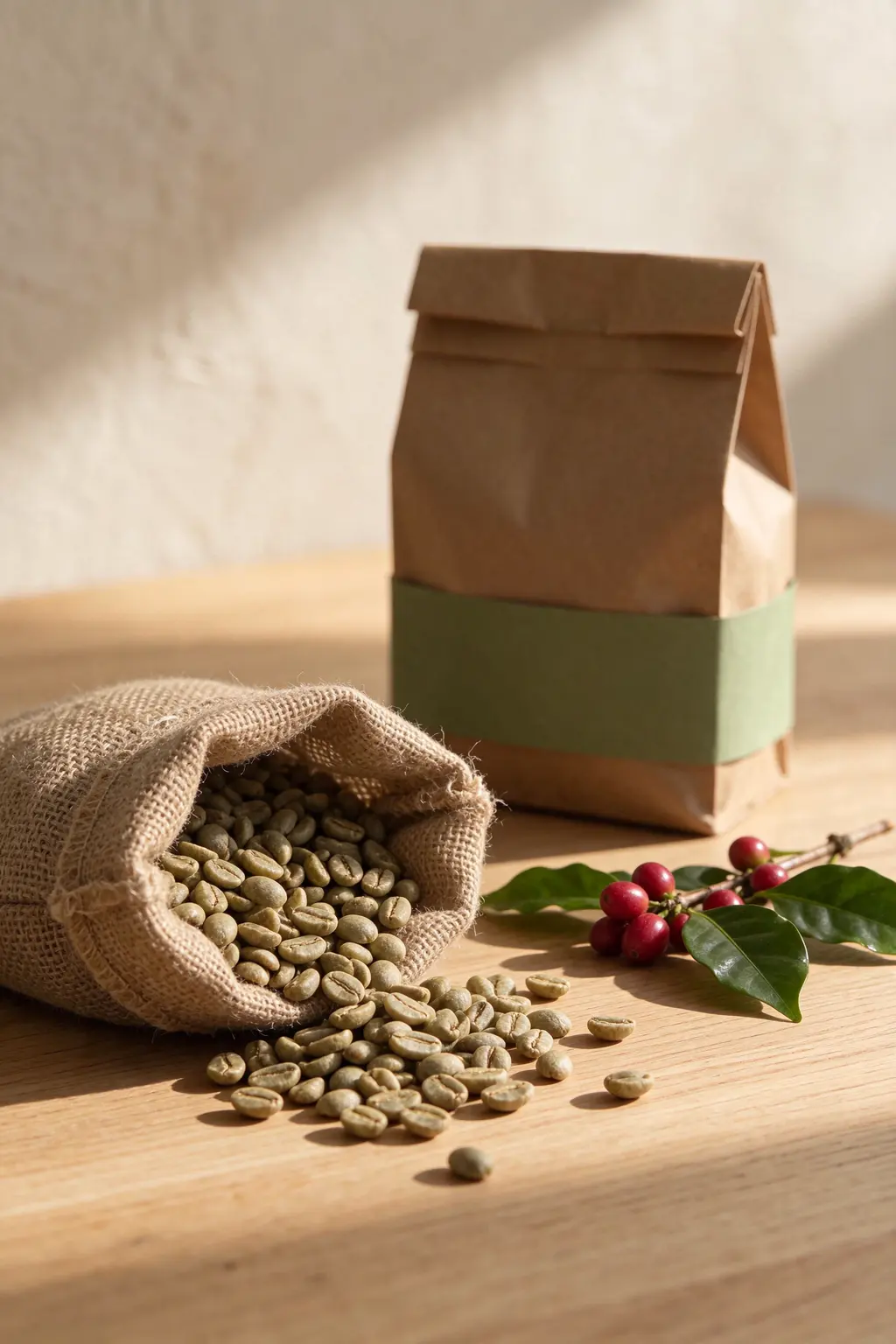
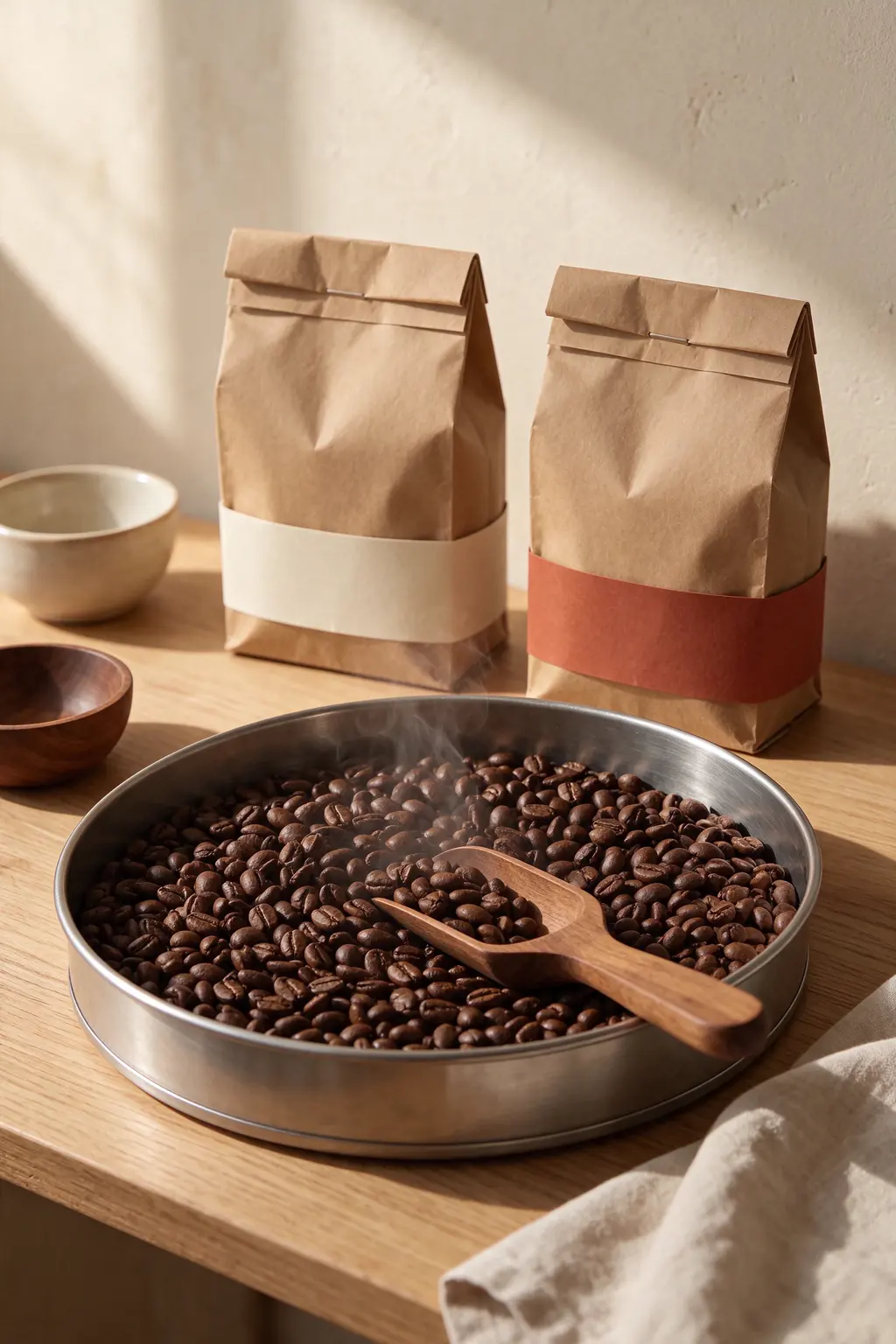
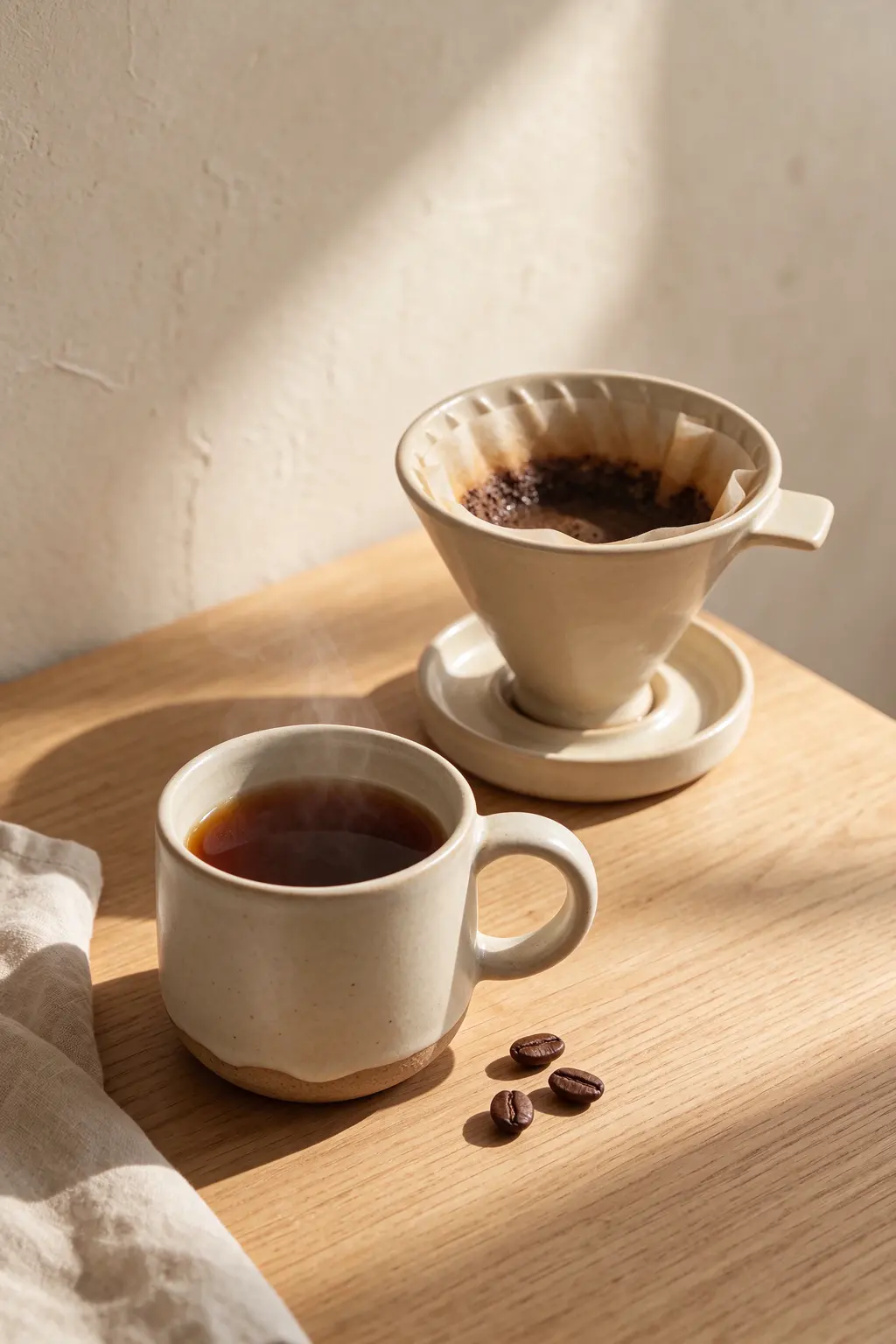
FarmRoasteryCup
2,300m
the highest farms we buy from, in Guji
It starts high up
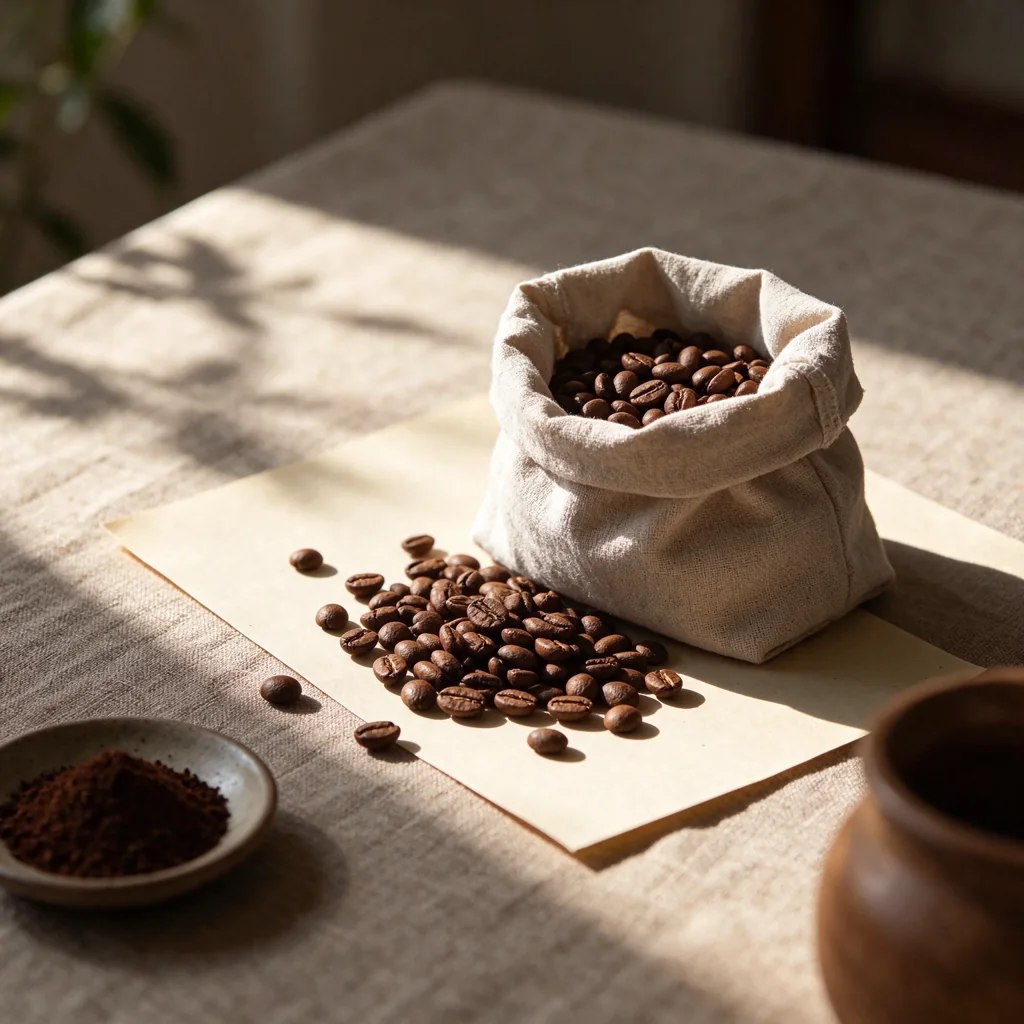
Coffee is the seed of a cherry. On the mountains of southern Ethiopia, cool nights slow the cherries down and leave more sugar in the seed. We buy a handful of lots like it each season, by region and harvest.
Mon–Thu
roast days, in small batches
Then it meets the fire
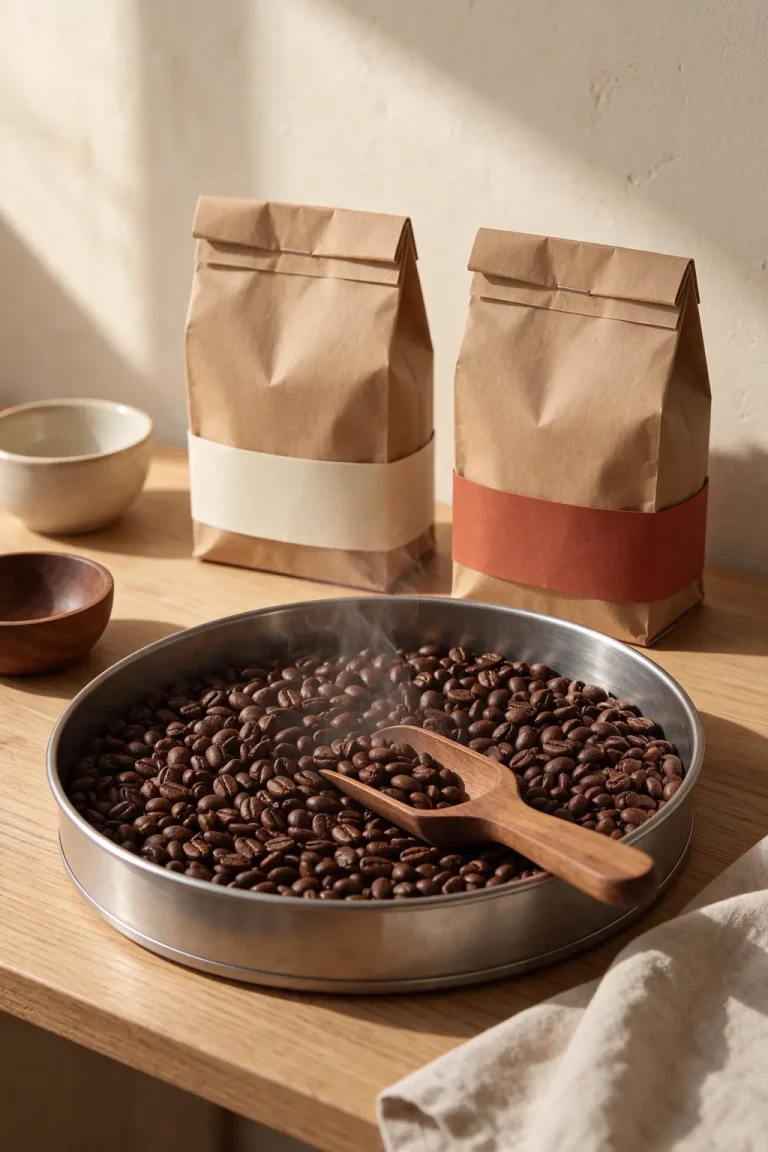
Single origins stay light to medium, so the place still shows in the cup. Blends go a little further, for body and sweetness. We taste every batch before it is packed.
4pours
and about three minutes, at home
And ends in your kitchen
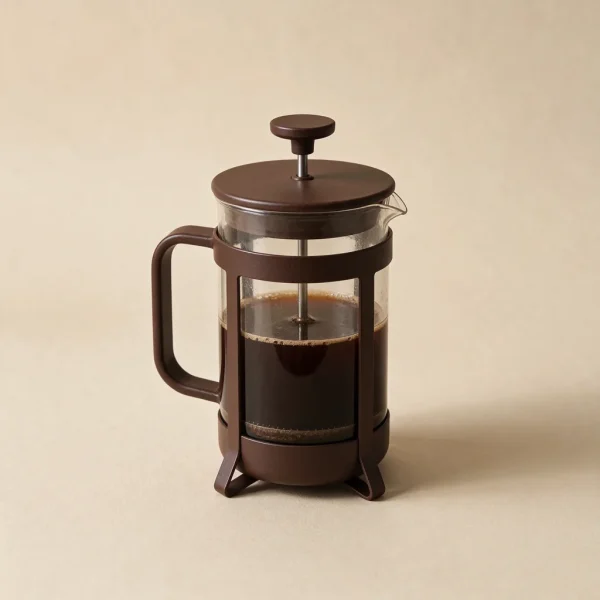
Fifteen grams of coffee, two hundred and fifty of water just off the boil, and a steady hand. The recipe is below, and our brew guides cover the cafetière and espresso too.
Where it grows
Coffee grows in a band around the equator, high on mountains where cool nights slow the cherry down and leave more sugar in the seed. These are this season’s origins, and how high each one grew.

Coffee
05001,0001,5002,0002,500 m
In the cup
Choose by roast
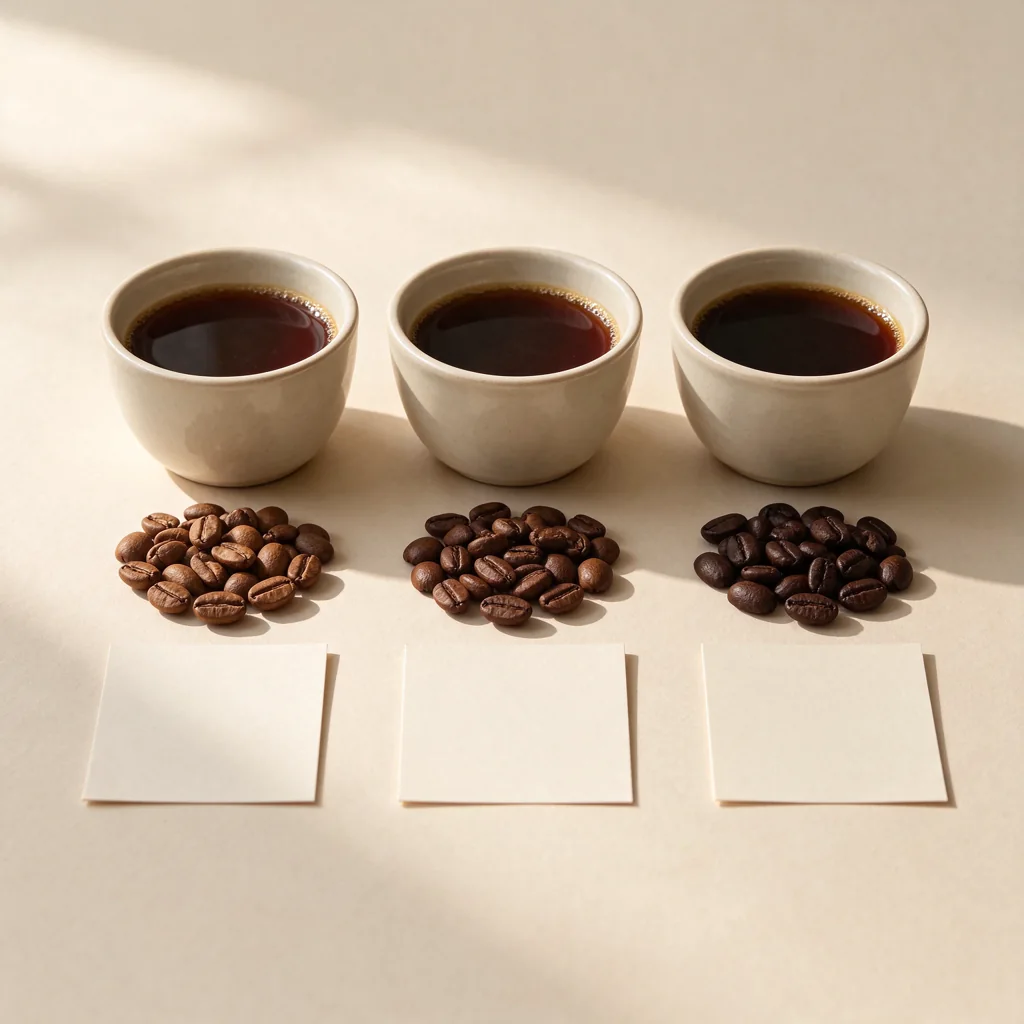
Every coffee on the shelf, from the lightest roast to the darkest. Light keeps the fruit and flowers of the place; darker brings chocolate, body and sweetness, and stands up to milk.
LightMediumMedium-darkDark
Ethiopia Guji
Jasmine, bergamot, peach
Light
Ethiopia Sidama Natural
Blueberry, strawberry, dark chocolate
Light
Kenya Nyeri
Blackcurrant, grapefruit, cane sugar
Light · back with the new crop
Costa Rica Tarrazú Honey
Apricot, honey, brown sugar
Medium
Colombia Huila
Red apple, caramel, cocoa
Medium
Colombia Decaf
Milk chocolate, plum, toffee
Medium
Morning Blend
Caramel, red apple, cocoa
Medium
Brazil Cerrado
Hazelnut, cocoa, brown sugar
Medium-dark
Ember Espresso
Dark chocolate, hazelnut, brown sugar
Medium-dark
Hearth Dark Roast
Molasses, dark chocolate, toasted almond
Dark
On the shelf
Eight of this season’s ten coffees. When a lot runs out it is gone until the next harvest; we would rather say so than swap in something else.
-
Ethiopia Guji
Price range: $22 through $74 -
Ethiopia Sidama Natural
Price range: $24 through $80 -
Colombia Huila
Price range: $20 through $68 -
Costa Rica Tarrazú Honey
Price range: $21 through $70 -
Morning Blend
Price range: $18 through $60 -
Brazil Cerrado
Price range: $18 through $60 -
Ember Espresso
Price range: $19 through $64 -
Colombia Decaf
Price range: $20 through $68
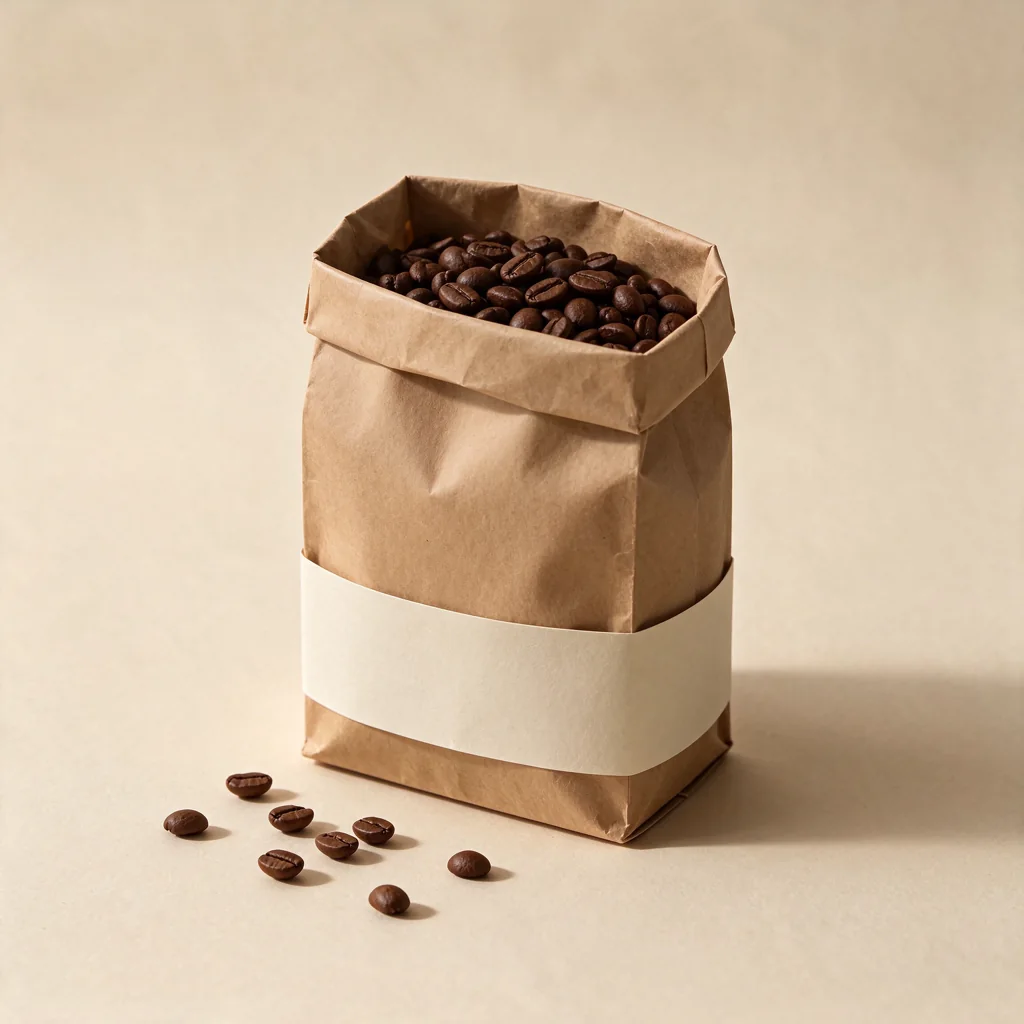
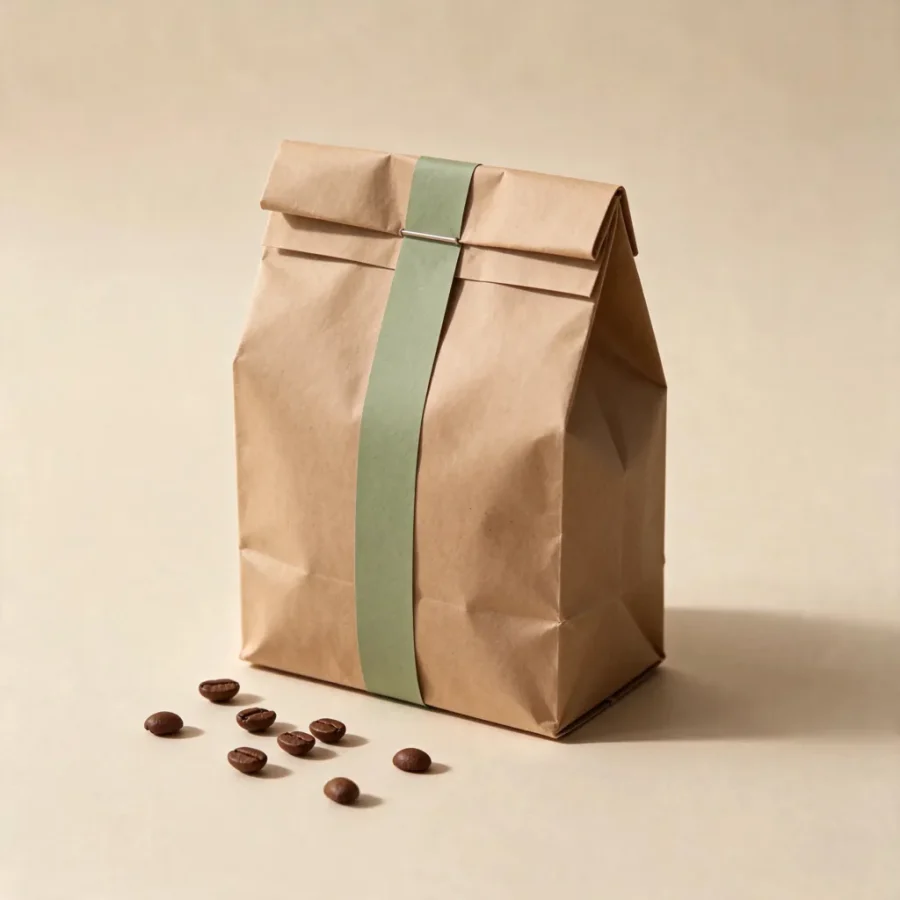
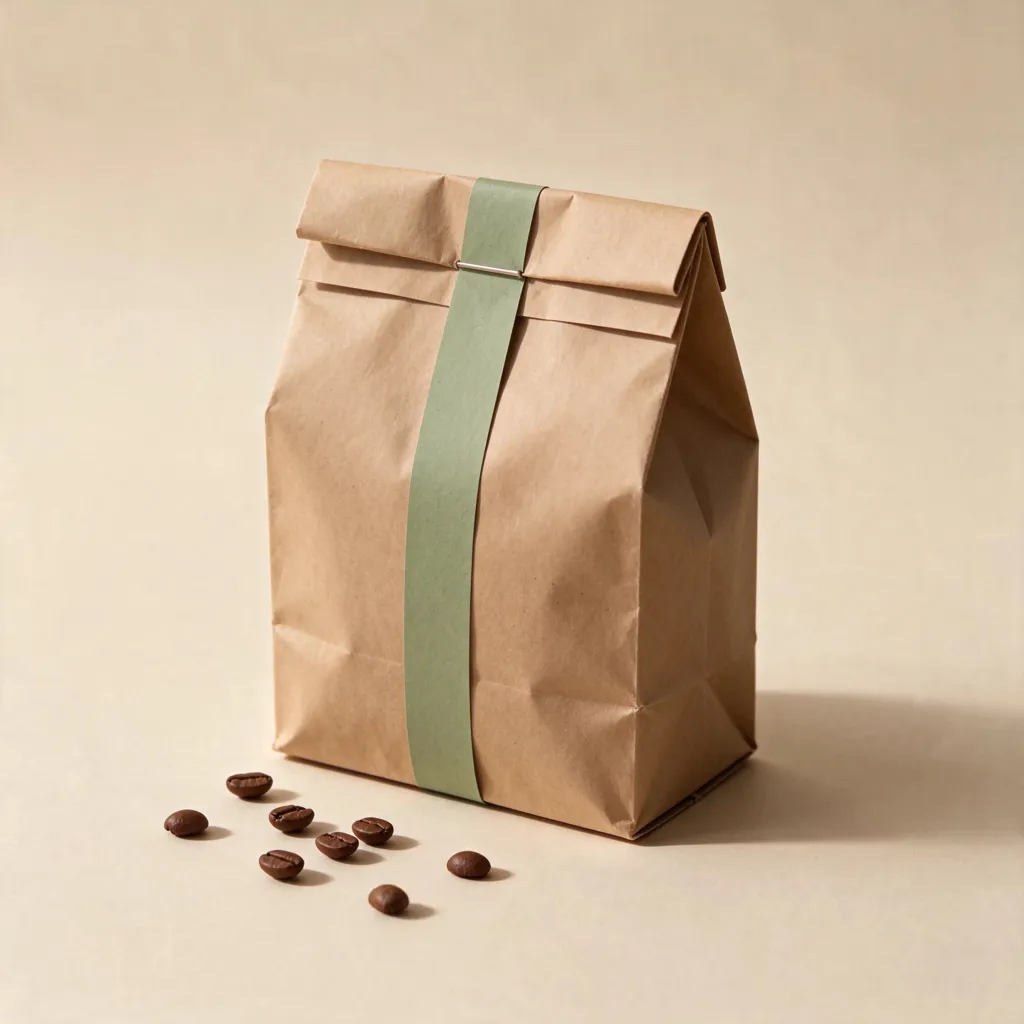
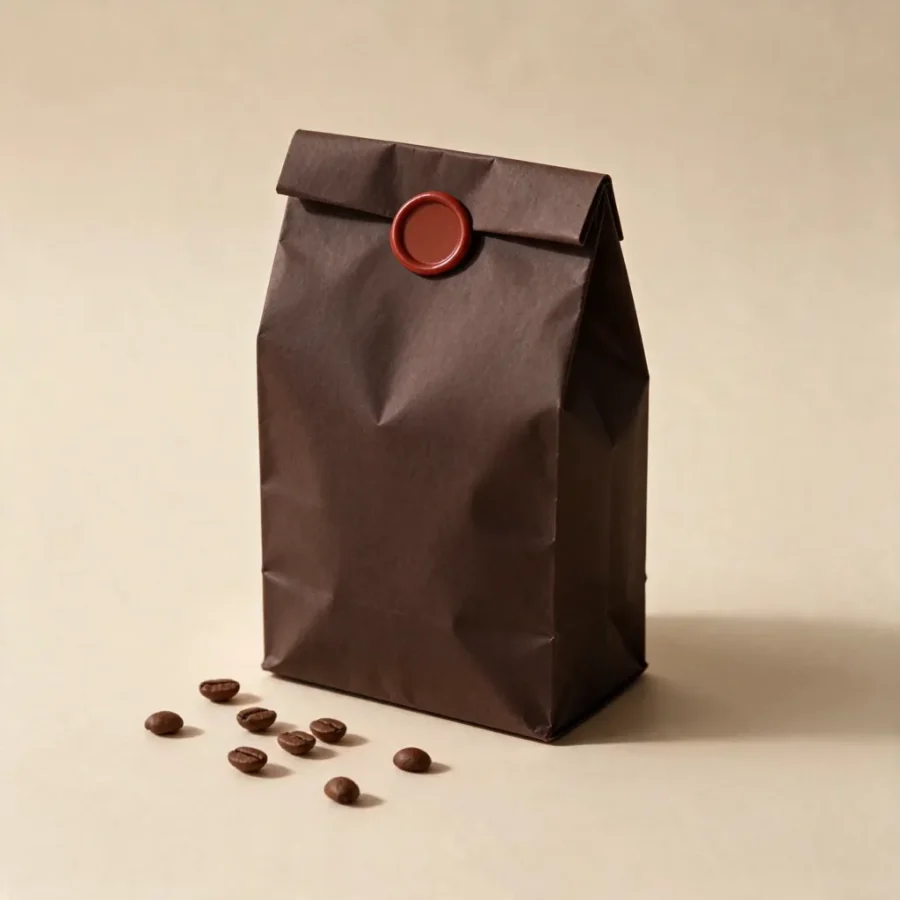
Three minutes, four pours
The pour-over we make every morning at the roastery. Weigh the coffee and the water: the ratio matters more than the gear.
15g
coffee, ground medium-fine
250g
water, in four pours
93°C
just off the boil
3:00
to the last drop
0:000:301:153:00
0:00
Bloom
Rinse the filter, add the coffee and pour 40 g of water. Wait while it rises and settles.
0:30
First pour
Slow circles from the center outwards, up to 150 g on the scale.
1:15
Second pour
Top up to 250 g, then give the dripper a gentle swirl so the bed sits flat.
3:00
Serve
It should finish dripping now. Sour and fast: grind finer. Bitter and slow: coarser.
Before the bag runs out
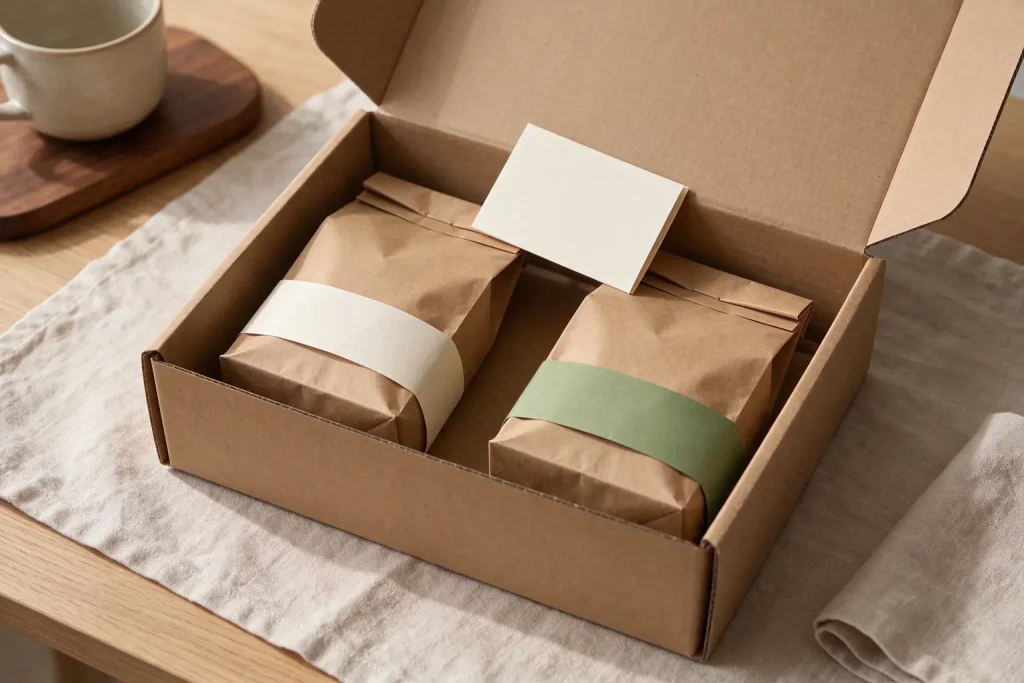
Pay once and your coffee arrives on time, roasted that week, until the last bag. Skip, swap or send it elsewhere with one email before roast day.
Coffee
The roaster’s choice, a different single origin each time, or a house coffee.
Every
Two weeks or four weeks, roasted the week it is posted.
Prepaid
3, 6 or 12 bags of 250 g, from $17 a bag with shipping. Nothing renews by itself.
To give, and to go with it
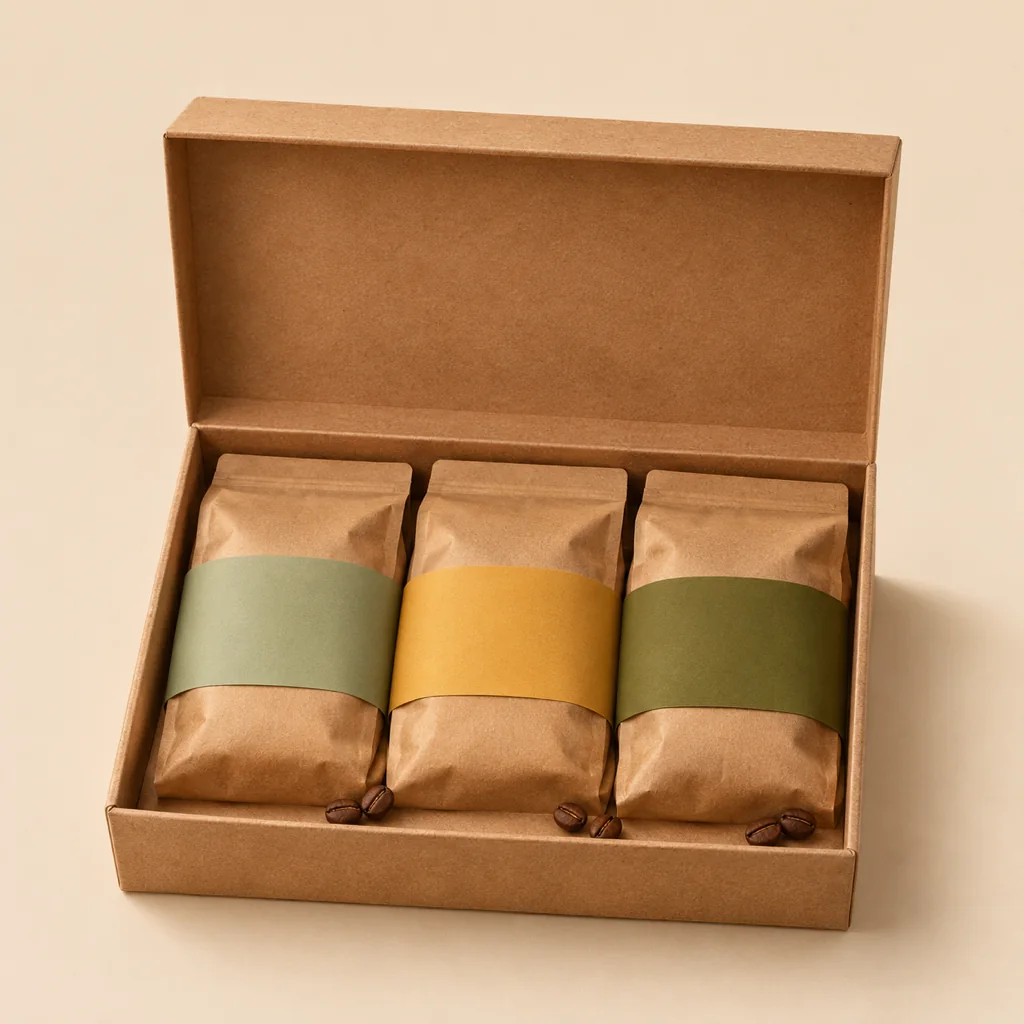
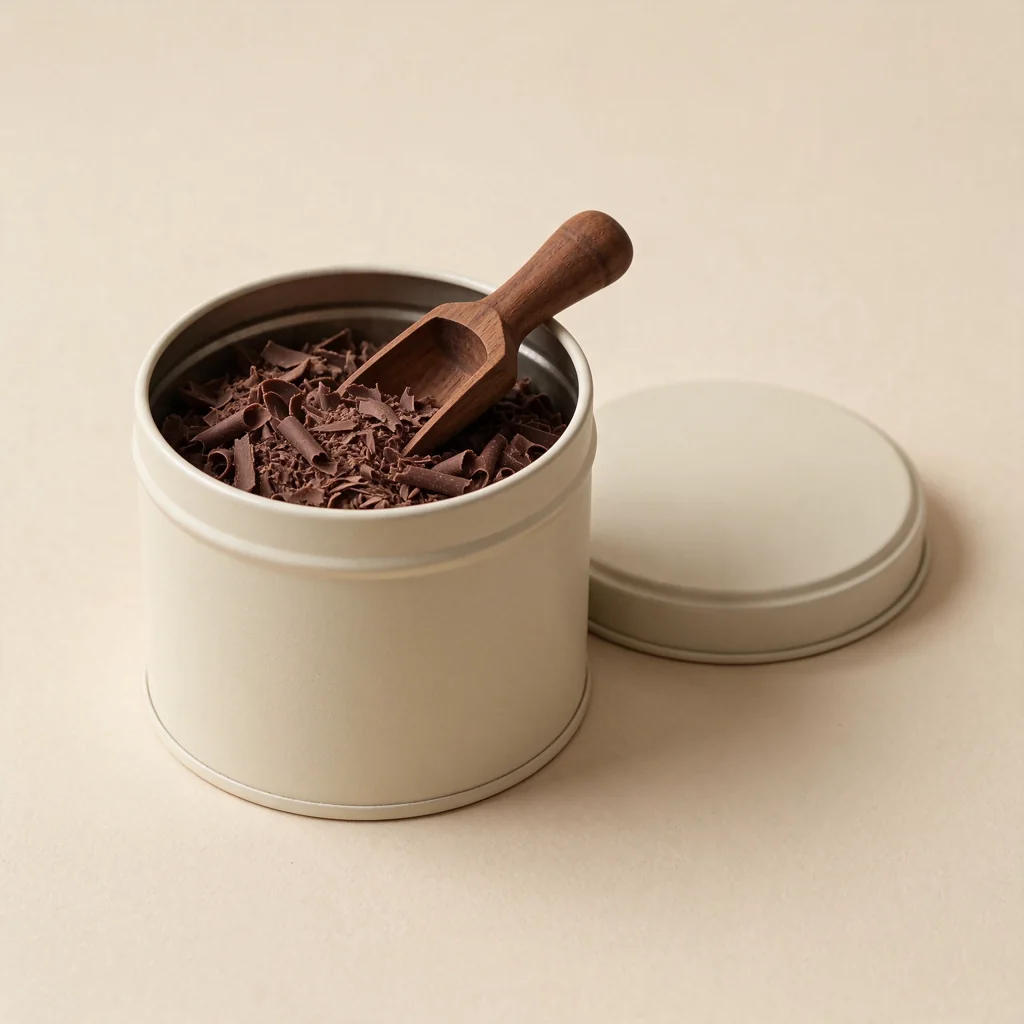
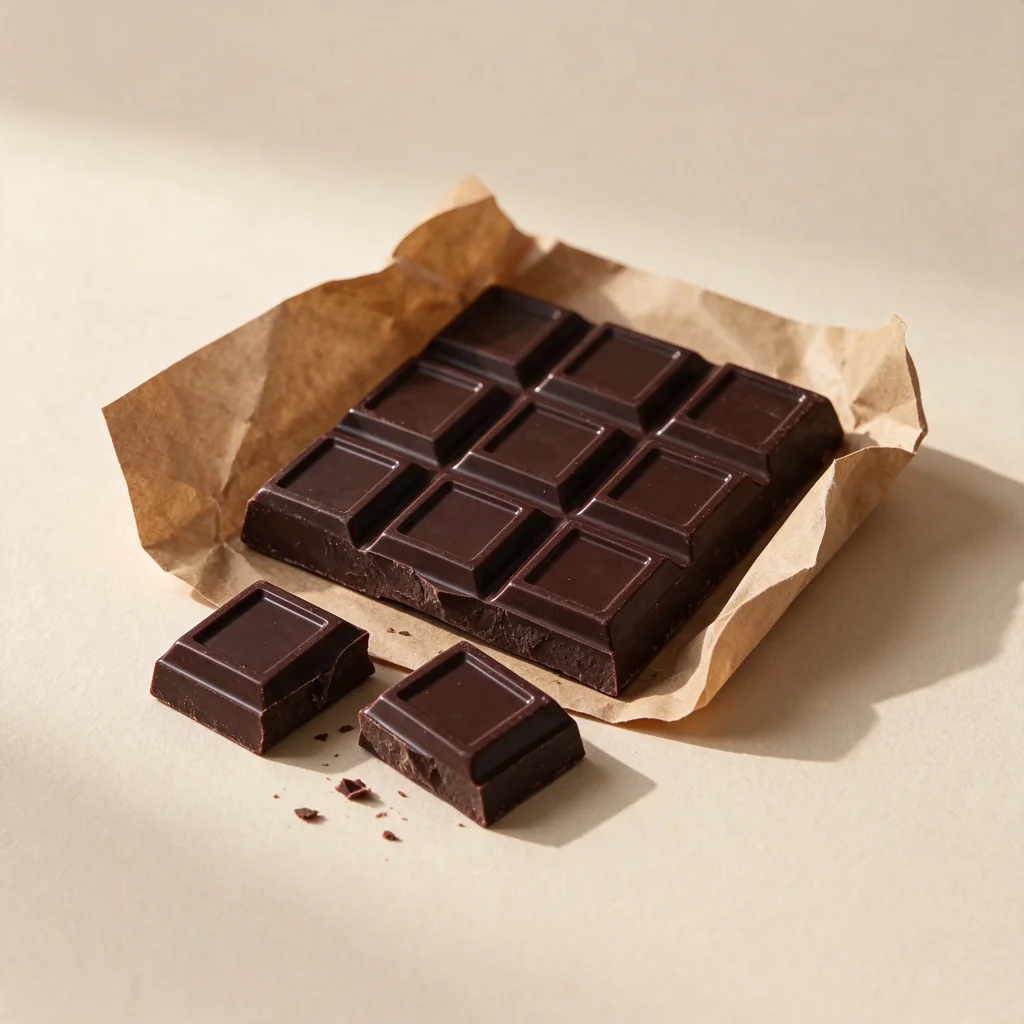
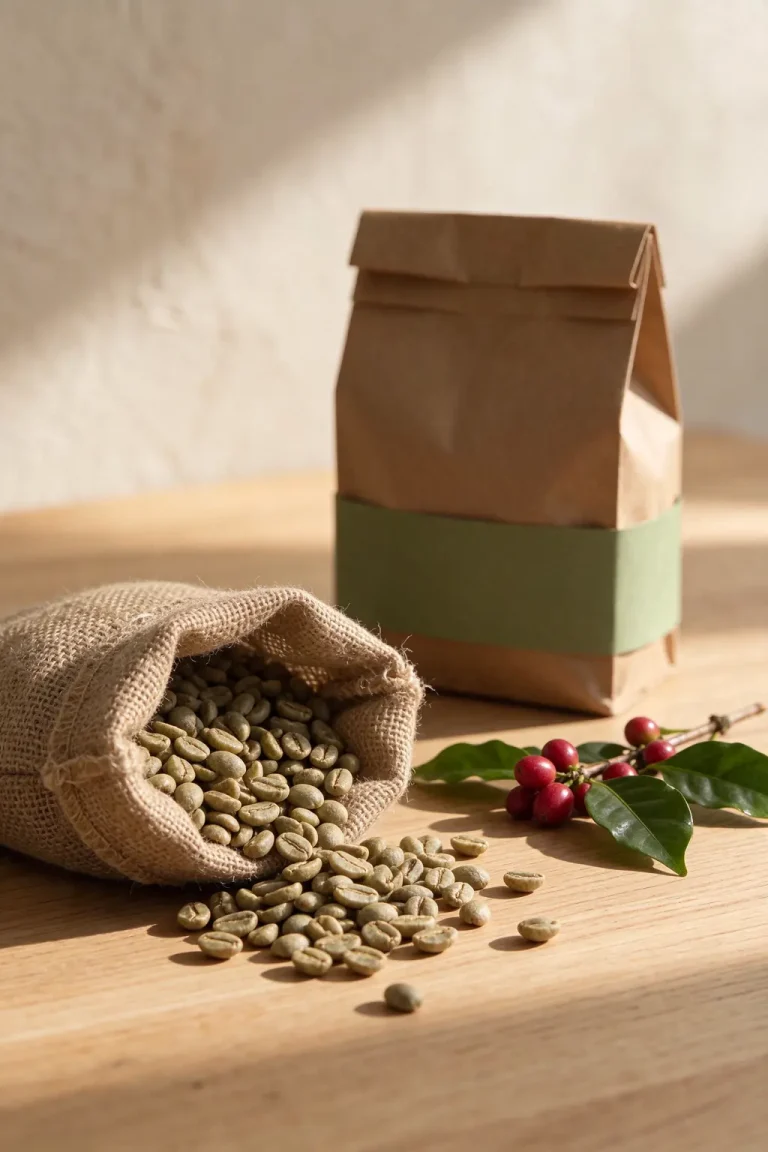
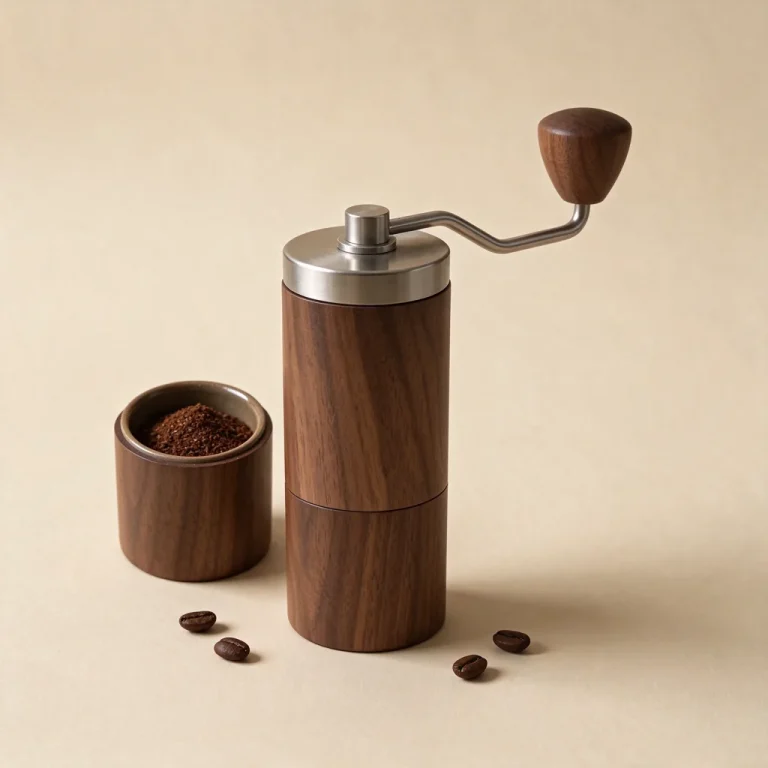
A tasting flight of three origins, a pour-over kit with everything in the box, and a short pantry of things we like next to a cup.

Pour Ambrel at your counter
For cafés, restaurants and offices: any coffee in 1 kg bags on a standing order, with a starting recipe for your grinder and machine.